
Managing Emotions in the Early Years

Helping Children with Special Educational Needs and Disabilities (SEND)
Children under five often show lots of different emotions in a short time. This is normal. It happens because the part of the brain that controls emotions and impulses (called the prefrontal cortex) is still growing. Young children feel emotions strongly but don’t yet know how to handle them.
Children who have trouble speaking or understanding language may also find it hard to say how they feel. If adults don’t understand their needs, they might cry, shout, or go quiet. At this age, children want to do things on their own (“I do it myself!”), but they still need help to manage their feelings.
For children with SEND, these challenges can be even harder. If they can’t show how they feel, they may become overwhelmed.
Why Helping with Emotions Matters
Teaching children how to manage emotions early helps them for life. It gives them tools to deal with stress, bounce back from problems, and build good relationships. We don’t expect young children to calm down on their own. Instead, we help them feel safe and supported.
Every child is different. The most important thing is to understand each child, notice how they show their feelings, and respond calmly and in the same way each time.
A Toolkit to Help Children with Emotions
Here are some practical ways to support emotional development in young children with SEND:
1. Name Emotions
Helping children name their feelings is a big step in learning to manage them. When children can say they feel sad, angry, or upset, they feel more in control. Pictures like emotion cards or mirrors can help, especially if they don’t know many words yet.
You can also talk about how emotions feel in the body. For example: “Your face is red and you’re hot, you’re feeling angry.” This helps children notice and name their feelings.
2. Stay Calm and Consistent
When a child has big feelings, they’re not being “naughty.” They’re overwhelmed and need help and time to calm down. Children with SEND often need adults to help them feel safe. If adults shout or act in ways the child doesn’t expect, it can make things worse.
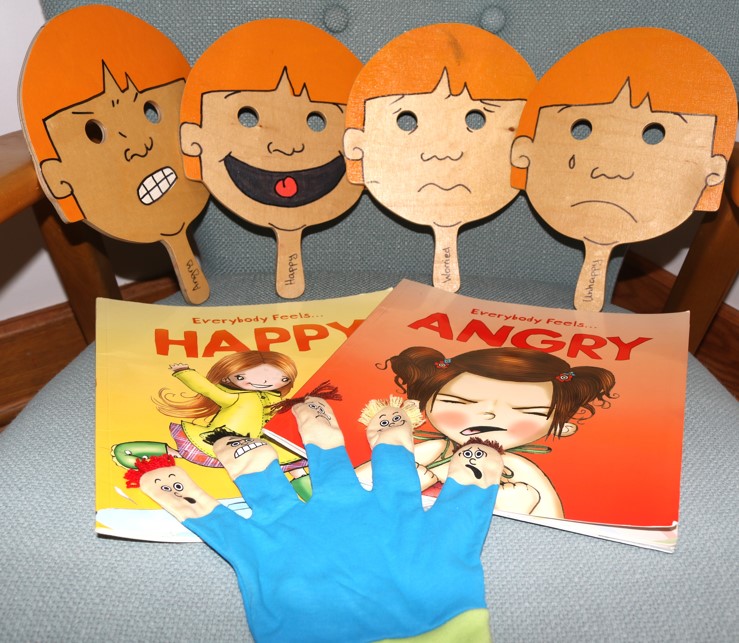
Use calm, steady words like: “You’re crying and your face is red. You’re upset. Let’s go to the cosy corner together.” Saying the same things each time helps children learn what to expect.
3. Create Routines
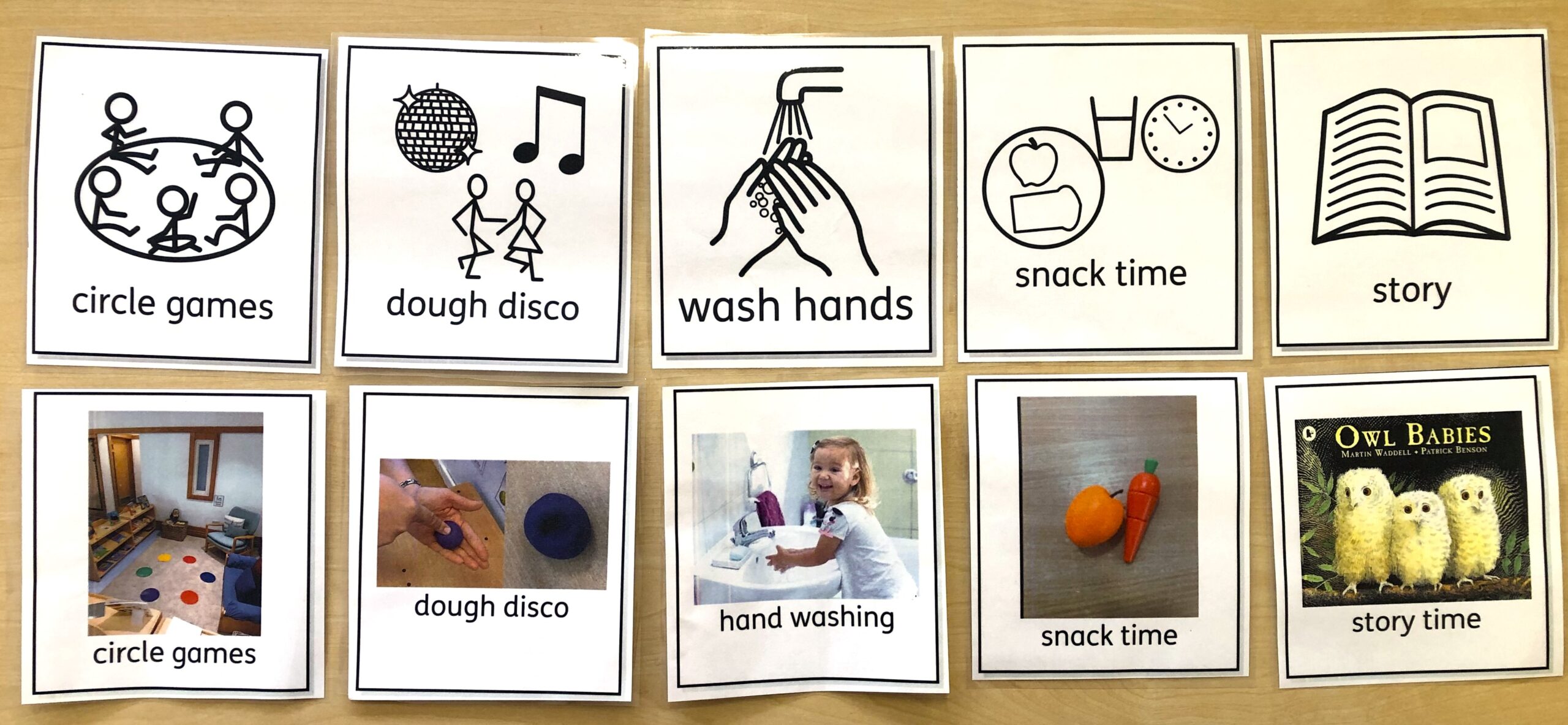
Having a clear routine helps children feel safe. For children with SEND, sudden changes can be overwhelming and feel scary. A routine helps lower stress, builds confidence, and makes emotions easier to manage.
Even adults feel better when they know what’s coming next. For young children, routines are like an anchor, they help them feel steady in a busy world.
4. Show How to Handle Emotions
Children learn by watching adults. If we stay calm when things are hard, we show them how to do the same. Many children with SEND don’t yet know how to handle strong feelings. You can show them by:
- Taking deep breaths
- Speaking in a calm voice
- Talking about your own feelings
This gives them tools they can use as they grow. It’s not about being perfect, it’s about being steady, consistent and showing that big feelings are okay and can be managed.
Final Thoughts
Helping young children, especially those with SEND, manage emotions takes time and lots of support. By naming feelings, making routines, staying calm, and being consistent, we help them grow strong and ready for life.
Use this advice alongside what you already know about the child. If you need more help, the Early Years Inclusion Service eyis@northtyneside.gov.uk is here for you. Call the duty line on 0191 643 3730, Monday to Friday, 8:30am–12:00pm.
Ready for more?
To discover practical strategies, deepen your understanding of brain development, and learn how to positively shape behaviour in the early years you can access the ‘Growing Brains: Guiding Behaviour’ Training. This engaging training is designed to empower you with the tools and insights to make a lasting impact.
Article by