
The National Year of Reading 2026

The National Year of Reading: why it matters and how schools can get involved
In 2026, schools across the UK will be invited to take part in the National Year of Reading. This is part of a coordinated effort, led by the National Literacy Trust, to reignite reading for pleasure, strengthen literacy outcomes, and reconnect schools, families and communities through books. At a time when many children’s reading habits have been disrupted, and there is a decline in young people choosing to read, the initiative offers both a timely reminder of why reading matters and a practical opportunity to act.
Why a ‘National Year of Reading’?
Evidence consistently shows that reading for pleasure is one of the strongest predictors of academic success, vocabulary development, wellbeing and empathy. Yet many schools report declining reading stamina; reduced home reading engagement; and fewer children identifying as ‘readers’. The National Year of Reading is designed to rebalance the conversation, shifting reading away from solely being a measured outcome and back towards being a social, joyful and habitual act.
Reading development does not sit neatly within English lessons alone. Access to texts in and around school; adults modelling reading; protected time for children to read; opportunities for book talk; and motivation all matter when promoting a reading for pleasure culture.
The national initiative from January 2026 encourages schools to move beyond isolated curriculum-based approaches and instead build reading-rich communities that involve staff, parents and local partners.
What does ‘getting involved’ look like in practice?
1. Revisit your reading culture
Use the year as a reason to reflect:
- Do children see adults reading for pleasure?
- Is independent reading protected time?
- Are books visible, valued and talked about?
Small shifts, such as staff sharing “what I’m reading” or rethinking how reading corners are used, can have a powerful impact.
2. Prioritise reading aloud
Reading aloud remains one of the most inclusive strategies schools have. During the National Year of Reading, schools might:
- Introduce a daily whole-school story time
- Use high-quality class novels across year groups
- Involve non-teaching staff in reading sessions
This reinforces the message that reading belongs to everyone.
3. Celebrate reading without over-rewarding
Rather than relying on prizes or points, focus on:
- Book talk and recommendations
- Author studies and genre spotlights
- Celebrations of reading identities (‘We are a school of readers’)
The aim is to develop intrinsic motivation, not compliance.
4. Working with the Community
Schools and settings do not have to do this alone. Why not try considering partnerships with:
- local libraries and librarians or our North Tyneside Schools Library Service
- local bookshops and authors
- care homes, community centres or youth groups?
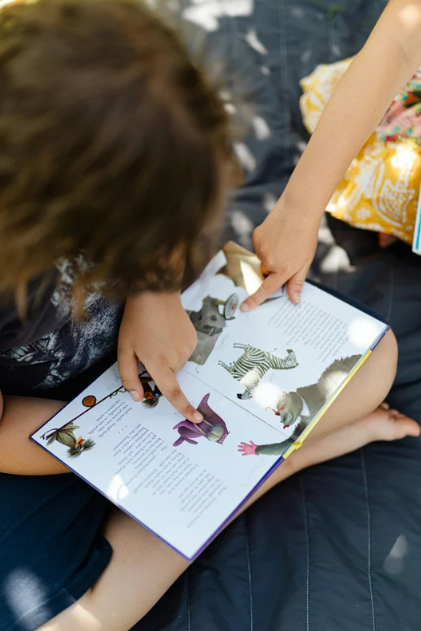
These approaches reinforce reading as a social and civic activity, not just a school task.
5. Engaging Families
For many families, supporting reading can feel intimidating. The National Year of Reading offers a chance to:
- Share simple, reassuring messages about reading at home
- Promote reading in any language
- Emphasise talk, storytelling and shared enjoyment
You might like to try hosting family reading cafés or drop-in story sessions; book swaps and “take one home” shelves; or some short workshops focused on reading aloud and book choice.
6. Making It Sustainable
The real success of the National Year of Reading will not be measured by one-off events, but by what remains afterwards.
Schools may want to identify 2–3 practices they want to embed long-term; appoint reading champions (staff or pupils) or build reading priorities into school development planning. If reading becomes part of a school’s identity, rather than an initiative, its impact will last far beyond the year itself.

A Collective Opportunity
The National Year of Reading is not about perfection or performance. It is an invitation — to pause, reflect and recommit to one of the most powerful tools we have as teachers and educators.
By working together, schools, families and communities, we can ensure that every child not only learns to read, but chooses to read, and sees themselves as a reader for life.
Ready to take part?
Find out more about the National Year of Reading, register for webinars and access all the resources for your school.
Article by