
Busting Myths About EAL Learners: What You Really Need to Know
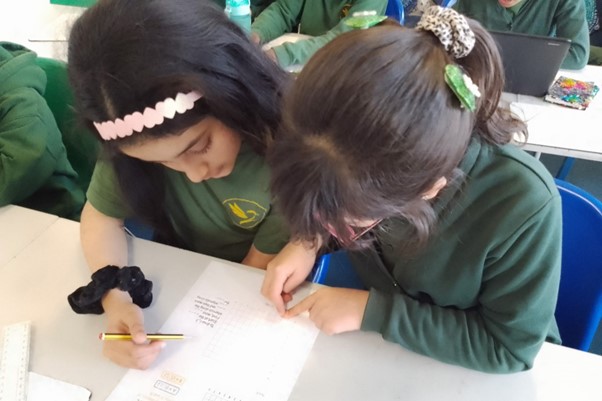
Every classroom has learners learning English as an Additional Language (EAL). Teachers and classmates want to help, but sometimes myths and assumptions get in the way. Let’s clear the air and look at what’s true.
Myth 1: “If they struggle with English, they’re not smart.”
Wrong. EAL learners can be incredibly bright. They just need time and support to show what they know in English. Struggling with a new language doesn’t mean struggling with learning itself.
Myth 2: “They’ll just pick it up on their own.”
Being surrounded by English helps, sure, but it’s not magic. EAL learners thrive with guidance, structured lessons, and support. Without it, they can fall behind in other subjects, too.
Myth 3: “They should only speak English.”
Using their first language can be a huge help. It allows learners to understand complex ideas and make connections. Encouraging bilingualism isn’t a setback; it’s an asset.
Myth 4: “All EAL learners need the same thing.”
Every learner is different. Some are beginners, some have partial English skills, and some have little or lots of formal schooling. Teachers need to know each learner’s background to give the right support.
Myth 5: “They only need help with English.”
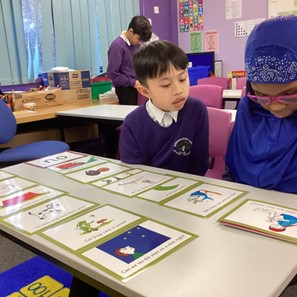
Think again. If a learner struggles with English, subjects like math, science, or history can be tricky too. Support across all subjects is just as important as language lessons.
The Truth
EAL learners are capable, motivated, and full of potential. Yes, learning a new language can be tough, but with patience, understanding, and good teaching strategies, they can succeed in school and beyond.
How to Make a Difference
- Be patient and encouraging.
- Celebrate small milestones.
- Let them use their home language to learn.
- Use visuals and clear instructions.
When we ditch the myths and focus on what learners can do, classrooms become places where every learner has the chance to succeed.
Ready to find out more?
Our Inclusive Learning and Achievement Service (ILAS) provide a range of training and support for schools and services. Take a look at our training options and search by Provider for 'Inclusive Learning and Achievement Service'.
Article by
Rashda Salamat
English as an additional language Teacher
The Inclusive Learning and Achievement Service (ILAS)
rashda.salamat@northtyneside.gov.uk