The Significance of Diwali: A Festival of Lights
Diwali: The Festival of Lights and Its Significance
Diwali, known as the “Festival of Lights”, is one of the most important and widely celebrated festivals for Hindus, Jains, and Sikhs. This vibrant festival takes place annually over five days, usually between October and November, marking the start of the Hindu New Year. The exact dates vary each year, based on the lunar calendar. This year Diwali falls on Monday 20th October.
What Does Diwali Mean?
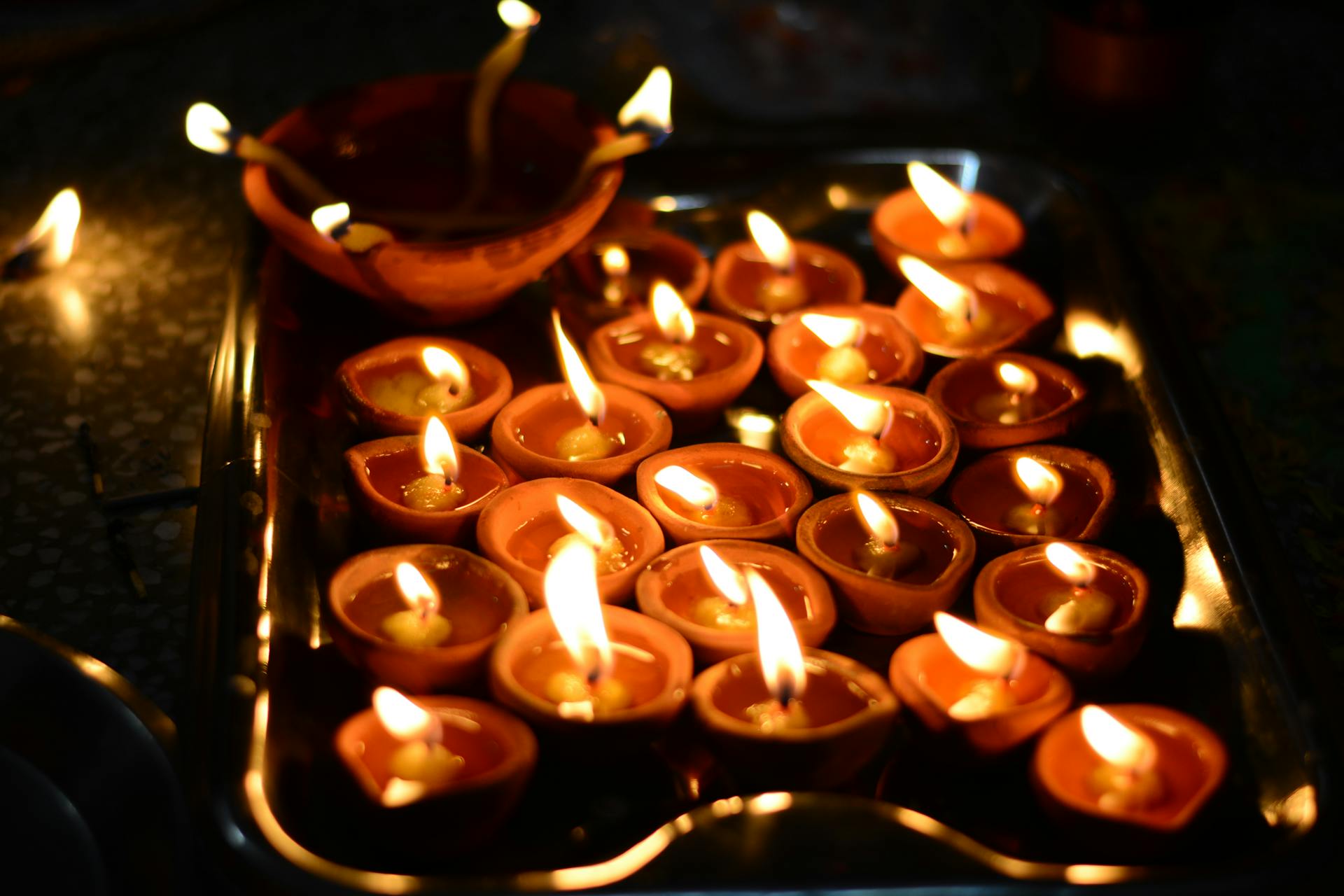
The word Diwali comes from the ancient Indian language Sanskrit, meaning “row of lights”. True to its name, homes and streets are illuminated with oil lamps (diyas), candles, and decorative lights. For Hindus, these lights are believed to guide Goddess Lakshmi, the goddess of wealth and prosperity, into their homes.
Why Is Diwali Celebrated?
- For Hindus: Diwali commemorates the return of Lord Rama, his wife Sita, and brother Lakshman to Ayodhya after 14 years of exile and the defeat of the demon king Ravana. It symbolizes the victory of light over darkness, good over evil, and knowledge over ignorance.
- For Sikhs: Diwali marks the release of Guru Hargobind Ji and 52 princes from imprisonment in 1619—a story of freedom and justice.
- For Jains: Diwali is the day Lord Mahavira attained nirvana, representing spiritual liberation.
Modern Diwali Celebrations
Diwali is more than a religious festival—it’s a time for joy, family, and community. People:
- Clean and decorate their homes with lights and rangoli patterns.
- Exchange gifts and sweets with loved ones.
- Enjoy festive meals, wear new clothes, and watch fireworks.
- Offer prayers for prosperity and happiness.
A Festival of Joy and Reflection
Beyond the lights and celebrations, Diwali reminds us to bring light into our lives, spread kindness, and overcome negativity. It’s a time to reflect, renew, and rejoice.
May Diwali light up our lives, bring abundant joy, and enlighten our souls.
Article by
Shallu Duggal
English as an additional language Teacher
The Inclusive Learning and Achievement Service (ILAS)
shallu.duggal@northtyneside.gov.uk