
May Day in the UK: A Look at a Much‑Loved Tradition
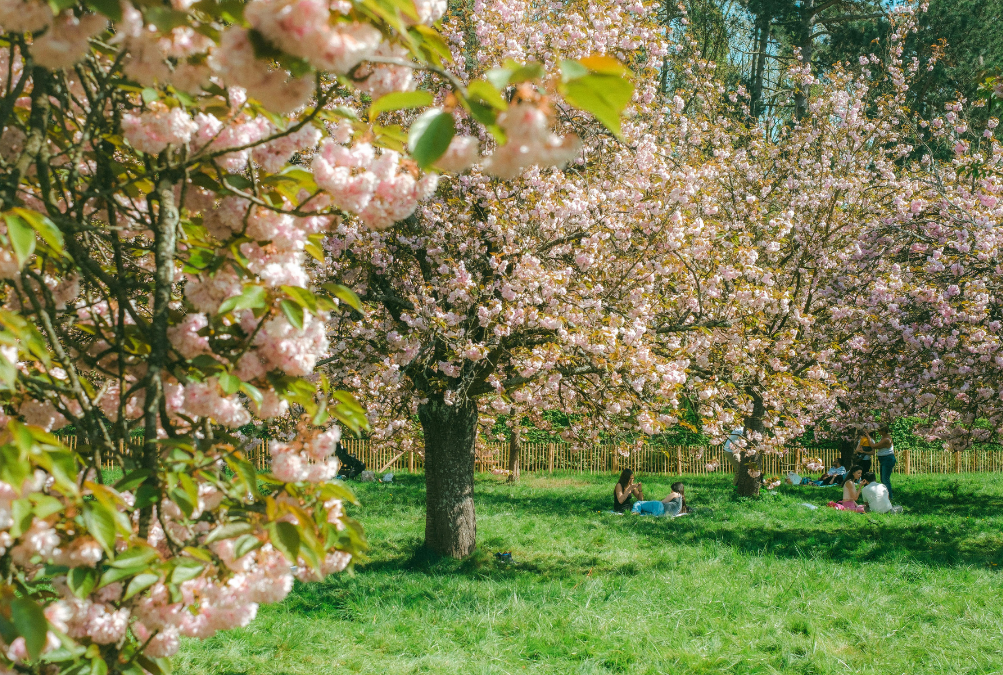
May Day in the UK is one of those celebrations that just feels cheerful. It arrives every year on 1 May, right when the weather starts to brighten up, and flowers begin to appear everywhere. Even though it’s been around for thousands of years, it still brings a sense of fun, colour, and community
Where It All Began
Long before modern Britain existed, people marked the start of summer with festivals full of fire, flowers, and hope for good weather.
The Celts celebrated Beltane, a lively festival held on the night before May Day. They lit big bonfires, decorated their homes with fresh greenery, and welcomed the warmer months. It was all about protecting their animals, encouraging new life, and celebrating nature waking up again.
When the Romans came to Britain, they brought their own spring festival called Floralia, which honoured the goddess of flowers. It was colourful, joyful, and full of energy — a perfect match for the spirit of May Day.
By the Middle Ages, May Day had become a huge community celebration. Villagers would gather early in the morning to pick flowers, decorate the village, and enjoy a day of dancing and games.
The Maypole
The maypole is probably the most famous part of May Day. It’s a tall pole decorated with ribbons, and people dance around it, weaving beautiful patterns. It’s bright, it’s fun, and it brings everyone together.
Many villages choose a May Queen, usually a young girl wearing a crown of flowers. She represents the beauty and freshness of spring. Different parts of the UK added their own twist to the celebrations. You might see Jack‑in‑the‑Green, a person covered head‑to‑toe in leaves, Hobby horses, especially in places like Padstow and Chimney sweeps and milkmaids dancing through the streets. It was a day for laughter, music, and community spirit.
A Bump in the Road
Not everyone loved May Day. In the 1600s, when the Puritans were in charge, they banned maypoles and tried to stop the celebrations. They thought it was too wild and not serious enough. But when the monarchy returned, so did May Day — and people were quick to bring back the fun.
May Day Today
These days, May Day is celebrated in two ways. Traditional May Day takes place on 1st May and many towns and villages still hold Maypole dances, May Queen ceremonies, parades and fairs with folk music and performances. It’s a lovely mix of old traditions and modern community fun.
Secondly, the first Monday in May is a bank holiday in the UK. For many people, it’s a chance to relax, enjoy a long weekend, or join local events.
May Day has lasted so long because it celebrates things that matter to everyone. The sunshine is usually starting to return, the days are getting longer and gardens and flowers are beginning to show their colours again. This often lets us spend a bit more time outside, more time with friends and family and for many it as helps us feel hopeful and refreshed.
It’s a simple celebration, but that’s what makes it special.
Celebrate in school
Share with your class how May Day is celebrated with this short video and images from BBC Newsround, or this audio assembly for Key Stage 1 on BBC Bitesize. Primary Forest School have also produced a lovely selection of activities to celebrate May Day.
How can we support your school?
Our Inclusive Learning and Achievement Service (ILAS) provide a range of training and support for schools and services. Find out more about how they can support your school or setting.
Article by

Rashda Salamat
English as an additional language Teacher
The Inclusive Learning and Achievement Service (ILAS)
rashda.salamat@northtyneside.gov.uk