
Nowruz: The Persian New Year
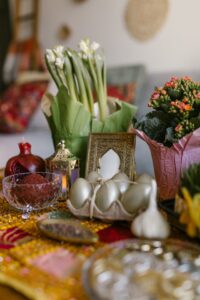 Nowruz, also called Norooz or Nawruz, is the Persian New Year celebrated by millions of people worldwide. This ancient festival marks the beginning of spring and is a time for renewal and joy.
When is Nowruz Celebrated?
Nowruz falls on the first spring day, around March 20th or 21st (March 20, 2025, at 5:24 p.m. Eastern time.)
It is celebrated on the vernal equinox when day and night are equal in length.
The Origins of Nowruz
Nowruz has been celebrated for over 3,000 years. It has its roots in Zoroastrianism, one of the world's oldest religions. Today, it is celebrated in many countries, including Iran, Afghanistan, Tajikistan, Uzbekistan, and parts of India and the Middle East.
How is Nowruz Celebrated?
Nowruz celebrations last for about two weeks and include a variety of customs and traditions:
- House Cleaning: Before Nowruz, families clean their homes thoroughly. This is known as "shaking the house" and symbolises getting rid of the old to make way for the new.
- Haft-Seen Table: One of the most important traditions is setting up a Haft-Seen table. This table includes seven items that start with the Persian letter "S." These items typically include:
- Sabzeh: Sprouted wheat or lentils, symbolising rebirth.
- Samanu: A sweet pudding, representing power and strength.
- Senjed: Dried oleaster fruit, signifying love.
- Seer: Garlic, for health.
- Seeb: Apples, for beauty.
- Somāq: Sumac berries, symbolising the sunrise.
- Serkeh: Vinegar, representing patience and wisdom.
- New Clothes: People often wear new clothes to welcome the new year.
- Fire Jumping: On the eve of the last Wednesday before Nowruz, known as Chaharshanbe Suri, people jump over bonfires. This tradition is meant to purify and bring good luck.
- Visiting Family and Friends: During Nowruz, people visit the homes of family and friends, exchange gifts, and enjoy festive meals together.
- Sizdah Bedar: On the 13th day of Nowruz, families go outdoors for picnics. This day, called Sizdah Bedar, is spent in nature to celebrate the end of the New Year festivities and to get rid of any bad luck.
The Spirit of Nowruz
Nowruz is more than just a New Year celebration. It is a time for renewal, hope, and looking forward to a bright future. It brings together families and communities, promoting peace, harmony, and goodwill.
Whether you are Persian or not, Nowruz is a beautiful celebration of life, nature, and the promise of new beginnings.
Read more about the Persian New Year at:
https://blog.twmuseums.org.uk/persian-new-year/
Also, check at North Tyneside Music Education Hub:
for the First Spring Sing in The Playhouse Whitley Bay
Rashda Salamat
English as an additional language Teacher
The Inclusive Learning and Achievement Service (ILAS)
rashda.salamat@northtyneside.gov.uk
Articles by Rashda Salamat

Chinese Lunar New Year 2026: Welcoming the Year of the Fire Horse Chinese New Year, also called Lunar New Year or the Spring Festival, is…
Ramadan: A Special Month for Muslims Ramadan is one of the most important and sacred months in Islam. It commemorates…

Teaching English to EAL learners who are absolute beginners requires a carefully sequenced approach that acknowledges their linguistic starting point, cultural background,…
Every classroom has learners learning English as an Additional Language (EAL). Teachers and classmates want to help, but sometimes myths…

A Fresh Start for Teaching Writing Writing remains one of the most complex skills to both teach and learn. Recognising…

Every October, the UK marks Black History Month, a chance to pause, reflect, and celebrate the richness, resilience, and achievements…
Ofsted’s new State-Funded School Inspection Toolkit (coming into effect in November 2025), alongside guidance from organisations such as The Bell…
Once a year, millions of Muslims from around the world pack their bags and leave behind their homes, families, and…

Parental engagement in schools is universally recognised as an important factor in a child’s educational journey. However, for parents with…
Recognising and building upon the prior learning experiences of English as an Additional Language (EAL) children is crucial for fostering…