
Ramadan: A Special Month for Muslims
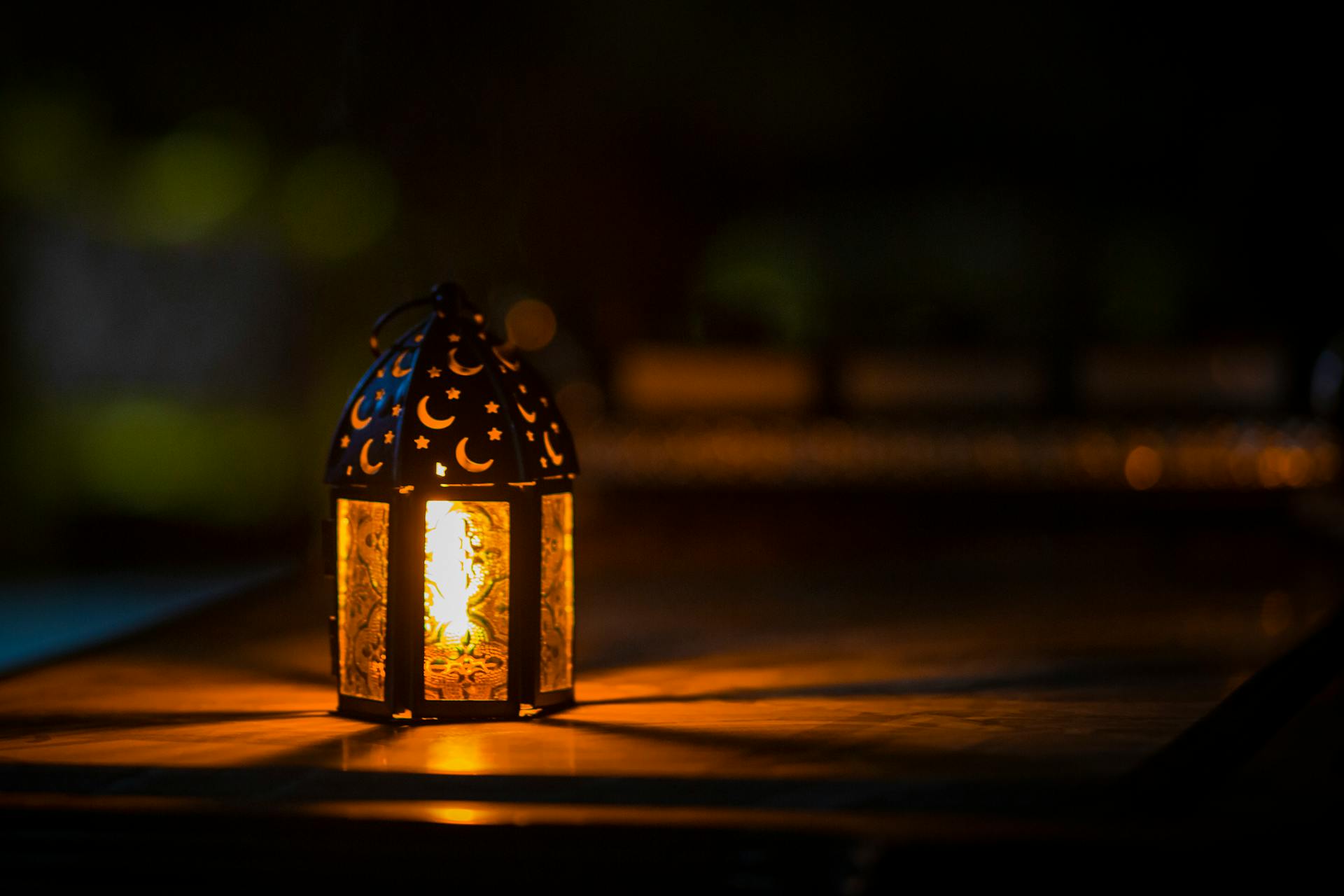
Ramadan: A Special Month for Muslims
Ramadan is one of the most important and sacred months in Islam. It commemorates the time when the Qur’an was first revealed to the Prophet Muhammad (peace be upon him). During this month, Muslims focus on worship, self-discipline, kindness, and gratitude.
From dawn to sunset, Muslims fast by avoiding food, drink, and other physical needs.
Fasting is not just about hunger; it is about building self-control, being mindful of God, and developing compassion for those less fortunate. People who are ill, travelling, elderly, pregnant, nursing, or children are exempt from fasting.
When is Ramadan?
Ramadan is the 9th month of the Islamic lunar calendar because this calendar is shorter than the solar calendar; Ramadan moves about 11 days earlier each year. The month begins with the sighting of the new moon and lasts 29 or 30 days. This year, Ramadan is expected to begin on the evening of Tuesday 17th February 2026 and end on either the evening of Wednesday 18th March or Thursday 19th March 2026, depending on the sighting of the moon.
Find out more about Ramadan from BBC Teach
Daily Life in Ramadan
Muslim families wake before dawn to eat a light meal called suhur. At sunset, they break the fast with dates and water, followed by a meal called iftar. Evenings include special prayers at the mosque known as Taraweeh, where portions of the Qur’an are recited.
Ramadan is also a social and community-focused time. Families invite guests for iftar, mosques host shared meals, and many Muslims increase their charitable giving.
Children and Ramadan
Children are not required to fast until puberty, but many try short or partial fasts to feel included. Mosques often celebrate children who fast for the first time.
The Night of Power
One of the most special nights of Ramadan is Laylat al-Qadr (the Night of Power), believed to fall in the last ten days. It marks the night the Qur’an was first revealed and is considered the most blessed night of the year.
Watch the Ramadan song
Eid ul-Fitr
Ramadan ends with a joyful celebration called Eid al-Fitr. Muslims attend a special prayer, wear new clothes, give gifts, and spend the day with family and friends. The greeting “Eid Mubarak” means Blessed Festival.
Ramadan’s Universal Message
Ramadan brings Muslims all over the world together, despite differences in culture and traditions. It’s a time to reflect on faith, practice kindness, and build stronger communities.
Ready to find out more?
You can find out more about what's going on over Ramadan in North Tyneside, at the Whitley Bay Islamic Cultural Centre
Article by
Rashda Salamat
English as an additional language Teacher
The Inclusive Learning and Achievement Service (ILAS)
rashda.salamat@northtyneside.gov.uk