
Posts Tagged ‘early years’
Wonderful wordless works of art

Some of our most engaging books for younger children are those which have very few words or no words at all. The illustrators of these wordless books are incredibly skilled in spinning a narrative through an unfolding sequence of pictures so exquisite, so imaginative, so carefully considered and sequenced that readers are immediately captivated and…
Read MoreSensory Play: The Enchantment of Treasure Baskets
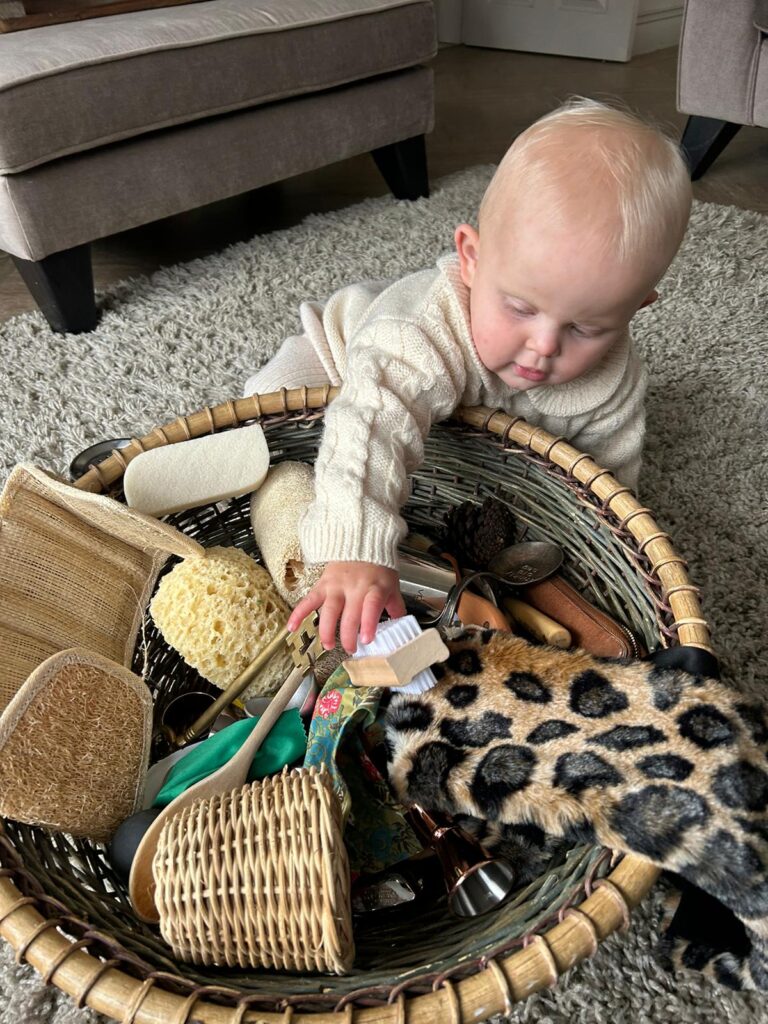
Ever wonder why on Christmas morning young children are more fascinated with the wrapping paper, packaging and cardboard boxes than the gift inside? That’s because these objects provide many opportunities for children to engage with their senses such as touch, smell, taste, sound, sight and bodily movement. The wrapping paper may make an interesting noise,…
Read MoreMaths with Nursery Rhymes: A Guide for Early Years

Next week is World Nursery Rhyme Week – an annual event founded since 2013. The initiative highlights the importance of nursery rhymes in early childhood development, focusing on benefits like language, literacy, and motor skills. This year’s event takes place over five days from the 10th to the 14th November. Our fourth article in this series…
Read MoreThe Power of Nursery Rhymes

Next week is World Nursery Rhyme Week – an annual event founded since 2013. The initiative highlights the importance of nursery rhymes in early childhood development, focusing on benefits like language, literacy, and motor skills. This year’s event takes place over five days from the 10th to the 14th November. This first in our series…
Read MoreFoundational skills for early writing – building on firm foundations

This package helps Early Years leaders assess the core writing skills in their curriculum. It guides whole-team development and boosts educators’ ability to support children’s writing in both adult-led and child-led activities. The focus is on giving children rich chances to practise key skills—oral composition, mark-making, fine motor control, and handwriting—at the right time. Educators…
Read MoreInside the Sensory World, Environments That Help Children Thrive

In the Early Years, every child is discovering who they are and how they learn. Some children may be curious explorers, others quiet observers. Some may need extra time, sensory support, or communication tools to help them thrive. Our role as early years practitioners is to create environments where all children feel safe, valued, and able to…
Read MoreThe Path to Inclusion: Building a Strong Universal Offer for SEND Success
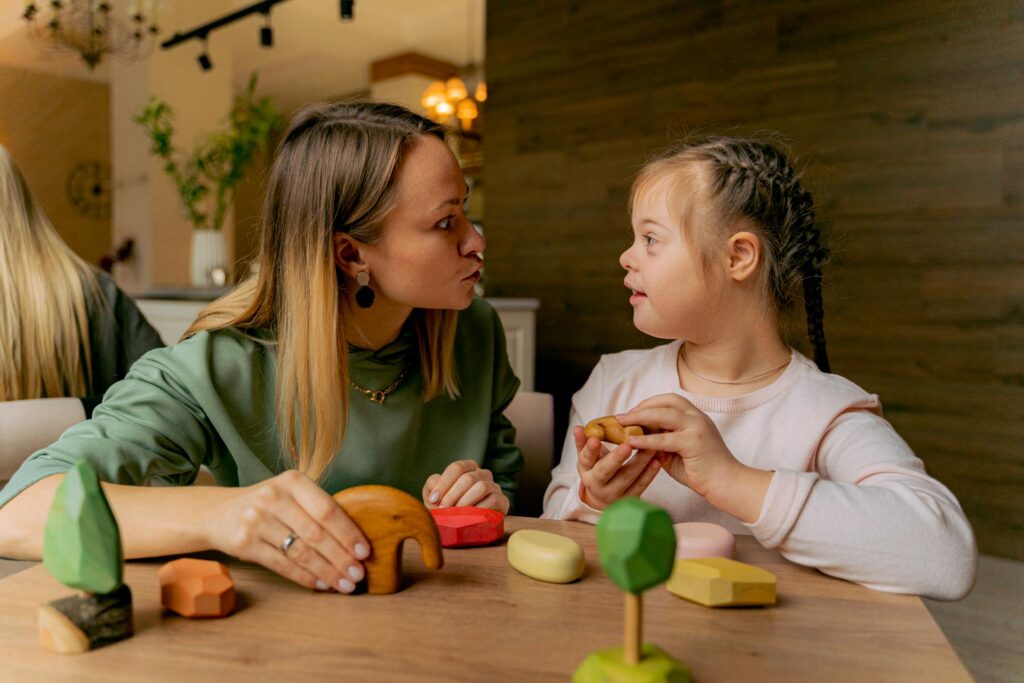
In early years education, every child is unique—and it’s our responsibility to create an environment that brings out the best in each one. Success in Special Educational Needs and Disabilities (SEND) begins with a strong foundation: a universal offer built on empathy, flexibility, and high expectations. Why Inclusion Is Essential Since COVID-19, classrooms have transformed…
Read MoreAll Change Please – September Is Nearly Here!

As summer winds down, the familiar buzz of a new academic year begins to stir. Thoughts of your new cohort, classroom setup, staffing and planning are likely starting to surface. It’s a time filled with anticipation—and a few challenges too. Reception lunch duty, for example, can be a physically demanding task (especially if you’re tall!),…
Read MoreSupporting transitions into school for Early Years children with Special Educational Needs or Disabilities

Transitioning into school or nursery is a huge milestone for all Early Years children that can bring with it a whole host of feelings. Some children may be excited, they love the idea of playing with new toys and being ‘grown up’. Some children may feel nervous or worried, it’s a big change, an unfamiliar…
Read MoreNurturing Possibility Thinking, Block by Block

Discussions around curriculum design and enactment in 2025 are dominated by knowledge acquisition. Educators rightly want to ensure that both teaching programmes and pedagogical approaches support schemata development so that children learn and remember more. This is the case in all key stages, including the early years foundation stage. The statutory framework makes explicit what…
Read More