Posts Tagged ‘English’
Wonderful wordless works of art

Some of our most engaging books for younger children are those which have very few words or no words at all. The illustrators of these wordless books are incredibly skilled in spinning a narrative through an unfolding sequence of pictures so exquisite, so imaginative, so carefully considered and sequenced that readers are immediately captivated and…
Read MoreWorld Book Day 2026 – making it meaningful
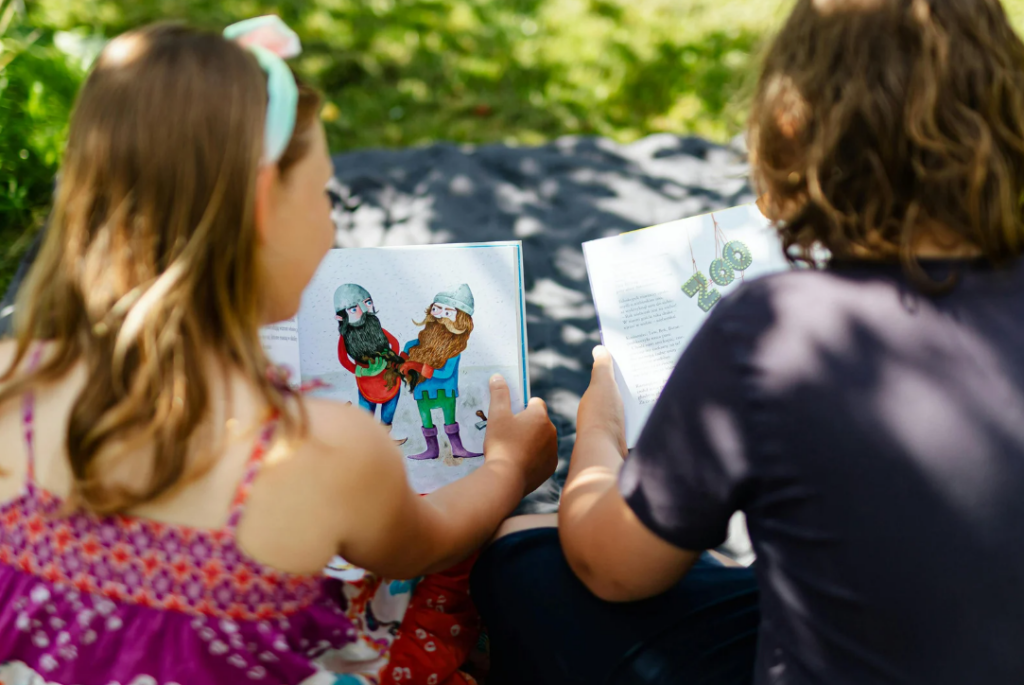
World Book Day 2026 takes place on Thursday 5th March this year. It provides a wonderful opportunity to celebrate books, authors, illustrators, and the love of reading with children and adults alike. Research tells us that reading for pleasure is the single biggest indicator of future success for a child – even above family circumstance,…
Read MoreA focus on fluency

What is Reading Fluency? There is often a misconception amongst pupils (and sometimes adults) that being a fluent reader means being a fast reader. Fluency involves the ability to read smoothly, accurately, and with expression. This will mean that the reader takes note of punctuation, phrases and clauses, along with how text is presented, to…
Read MoreUsing poetry in teaching: A Tool for the Classroom

Poetry is a little like Marmite – you either love it or hate it! This may be based on your own experiences when you were younger, or it is not a genre you have ventured to explore. Poetry is not just about rhymes and verses; it is a powerful tool that can transform the learning…
Read MoreEnsuring your writing curriculum supports young writers effectively

Leaders will be supported to review the current curriculum intent for writing and then move towards shaping a curriculum that builds skills in a clear, progressive way. This bespoke programme is designed to meet the specific needs of your school. The programme can focus on both key aspects of writing: transcription and composition. Schools can…
Read More