
Why are educational visits so important for young people in schools?
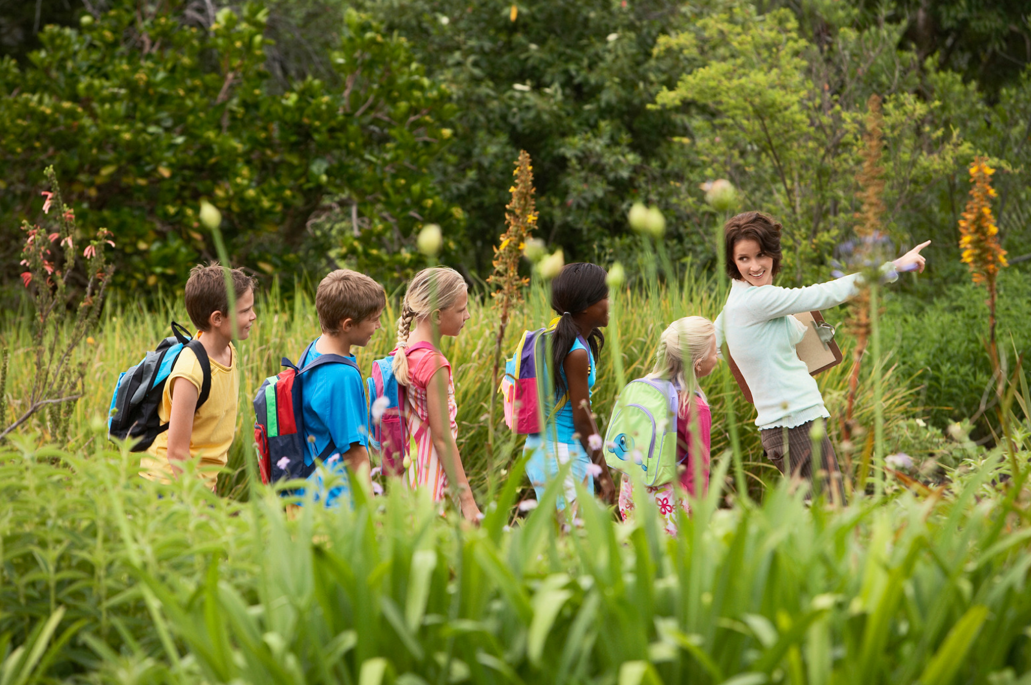
Educational visits play a key role in the development of young people, but they often offer more than you can imagine. They do take effort to organise, but the return can be amazing. They also don’t need to be extravagant overseas visits, they are best graduated where there are frequent local visits, in and around school and in the local area or borough.
A wealth of local opportunities
We have so much in our area, the coast, castles, museums, parks, the River Tyne, theatres, the fish quay. Even our local streets have hidden gems, such as the artwork on the sides of buildings around North Shields. They offer so much to engage our pupils, but also to raise awareness and pride in where we live. Under 100 years ago who would have thought Battle Hill area was farmland, the Rising Sun was a vast colliery and so much more.

Personal development and life-long skills
Taking our children out stimulates, independence, communication, cooperation, collaboration, teamwork, resilience, vocabulary, a sense of being as well as enhancing physical and mental well-being. This area of works links directly to the Ofsted Inspection framework and Personal development and provides an amazing opportunity to evidence you have on the character development of young people, and the lifelong skill development they can engage with.
There are also so many cross-curricular links that support, English, Maths, Geography, History, Art, Music, PE and enhance a curriculum.
In all schools in North Tyneside, we have educational visit leads who can help and support you in developing your off-site activities as systems and training are available to support this.
Nationally there are many organisations who encourage outdoor activities and offer the following to encourage engaging our young people in this type of activity.
Top 10 reasons for offering opportunities through off site visits.
Educational visits for young people in schools play a crucial role in enhancing the learning experience and broadening students' horizons.
1. Hands-on Learning Experience
Educational visits provide students with the opportunity to apply their classroom learning in real-world settings. Whether it's visiting a museum, historical site, or a science centre, these experiences help make abstract concepts more concrete and tangible.
2. Encourages Curiosity and Exploration
These visits spark curiosity and inspire students to ask questions beyond what is taught in the classroom. Exposure to new environments, different cultures, or innovative technologies can ignite interests that may not emerge in a traditional classroom setting.
3. Enhances Social Skills
Going on an educational trip encourages teamwork, communication, and cooperation. Students often work in groups or interact with peers in different social contexts, which helps them develop essential social skills and improve relationships.
4. Stimulates Motivation and Engagement
Students often find field trips exciting and engaging, which increases their motivation to learn. The change of scenery and hands-on activities can break the monotony of daily school routines and reinvigorate their interest in their studies.
5. Develops Critical Thinking
During educational visits, students are exposed to real-life problems and scenarios that encourage them to think critically. They are often prompted to analyse and discuss their experiences, which enhances their critical thinking and problem-solving abilities.
6. Cultural Awareness
Visits to different cultural, historical, or geographical sites expose students to diverse traditions, values, and lifestyles. This broadens their understanding of the world, promotes tolerance, and prepares them to live in a multicultural society.
7. Fosters Creativity
Seeing art, science, nature, or history up close can inspire students to think creatively and expand their imaginations. Experiencing something new or unusual can spark original ideas and creativity, which may not come from traditional textbooks.
8. Building Lifelong Memories
Educational visits are often memorable experiences that students cherish for a long time. These memories can create a sense of attachment to learning and education, fostering a lifelong interest in discovery.
9. Real-World Connections
These visits help students make connections between what they learn in school and the real world. For example, visiting a factory, nature reserve, or historical landmark helps them understand the practical application of academic knowledge.
10. Physical and Emotional Well-being
Educational visits often involve physical activity, which is beneficial for students' health. They can also provide a break from the traditional classroom environment, reducing stress and helping students feel more relaxed and focused.
In summary, educational visits complement and enrich classroom learning, offering students a deeper, more practical understanding of subjects. They also help develop various life skills that are crucial for personal growth and success.
Go on give it a go!
We offer advice and ideas on how to develop your curriculum with additional visits, training in developing:
- on site Team building, mapping and navigation activities (2 x twilight sessions during staff CPD or a half day training day session)
- Educational Visit Leader support,
- Visit leader training and Risk assessment sessions for staff (all 1 hour staff sessions).
We also work closely with our Park wardens and Educational officer, Zoe Frazer, to link into activities at Wallsend Park, The Rising Sun Country Park and Northumberland Park.
Article by