
Great Adventures in Early Writing
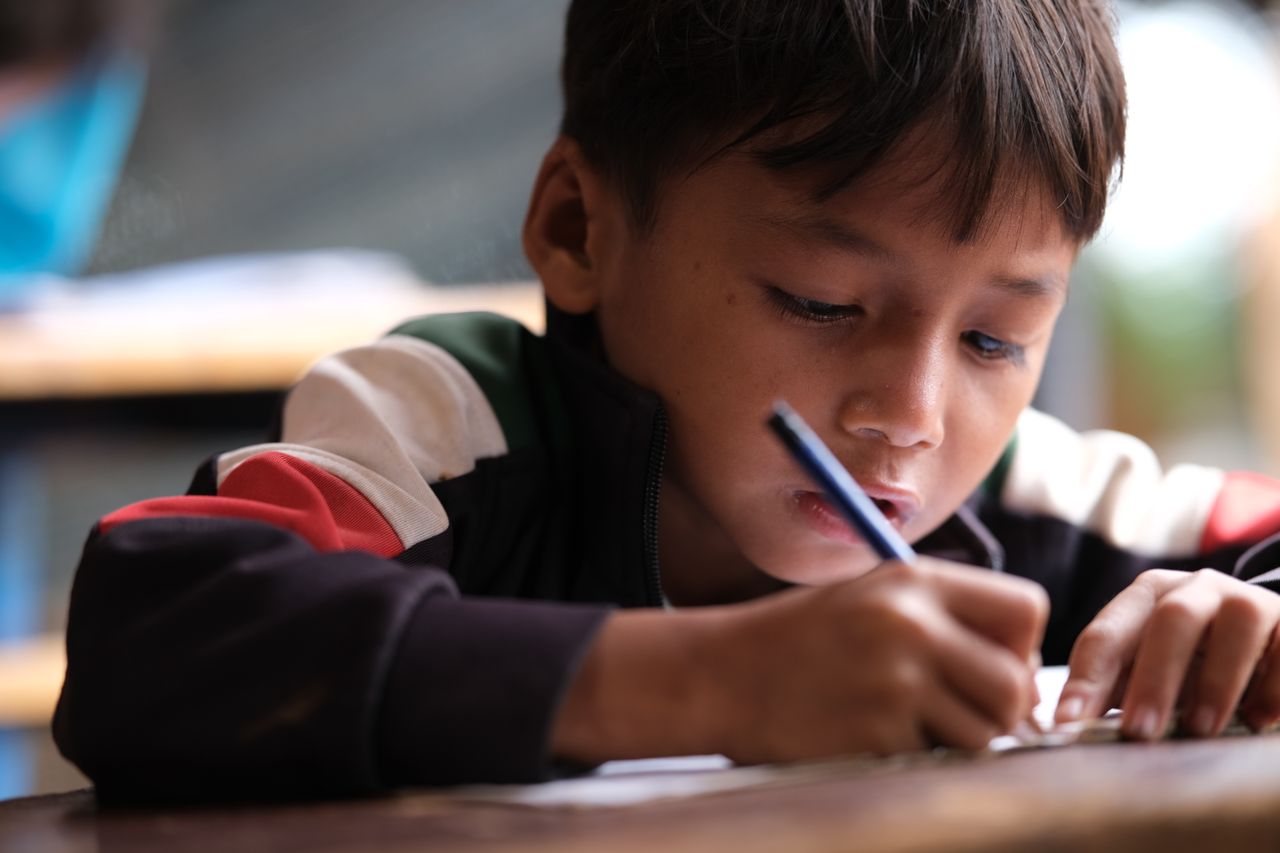
I want to tell you about a boy called Archie.
Archie was four years old. He had the energy of a small tornado, the concentration span of a particularly easily-distracted goldfish, and an absolutely ferocious dislike of anything involving a pencil. If you so much as placed a writing tray within three metres of Archie, he would look at you with the sort of expression usually reserved for people who've just suggested broccoli for breakfast.
But one Tuesday morning — and I remember this as clearly as if it were yesterday — Archie came pelting through the nursery door, coat half on, book bag trailing behind him, and he grabbed my arm.
"I've been on a QUEST," he announced, at a volume that suggested the word had been fully capitalised in his head. "A dragon quest. And I need to write it down."
And he sat down. And he wrote.
Now, what he actually produced was, frankly, illegible. It looked like a seismograph reading from a fairly active volcano. But Archie could read every word of it back to me with complete conviction and extraordinary narrative flair.
What had changed? Not the pencil. Not the tray. Not even the expectation. What had changed was Archie. He had something worth saying, and he needed the whole world to know it.
I’ve been a teacher for over 30 years and in all that time I keep coming back to a fundamental truth about young children and writing:
Children do not write because we tell them to. They write because they have something burning inside them that has to come out.
Nothing lights the fire quite like adventure
Now, when I say adventure, I don't mean you need a zip wire in the outdoor area, (although if any school or setting does have one, I'd very much like an invitation) I mean the experience of being a protagonist in your own story. Of feeling that you are the one navigating the unknown. That you are brave, capable, and that something remarkable has happened to you specifically.
When children feel like adventurers, they write like authors.
I think about a Reception class I visited some years ago. The teacher — Mrs Patterson, absolute force of nature — had transformed her outdoor area into a Lost Forest. There were maps, clues, mysterious footprints in the mud, a message tied to a tree. Nothing expensive. A printer, a laminator, and the creative genius of someone who clearly hadn't slept properly in a week.
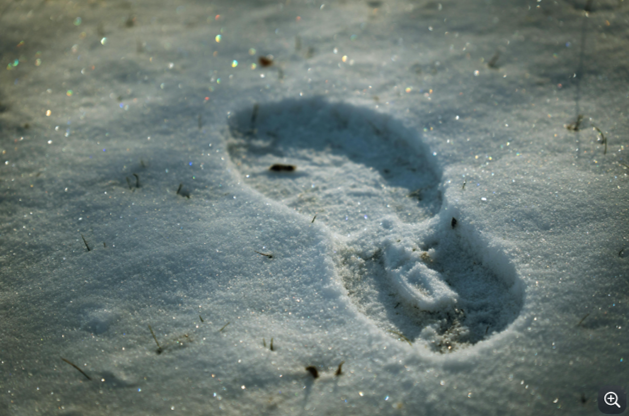
The children were beside themselves. They were investigators, explorers, historians. They were writing — unprompted, un-nagged, with genuine urgency — because something extraordinary had happened in their world and they needed to document it. They were not completing a task. They were reporting from the field.
That shift in identity is everything.
I want to offer you three truths. Think of them as principles you can carry into your classrooms, your planning, your provision.
Truth One: The Story Has to Belong to the Child
In one school I worked in, I inherited a writing curriculum that was, to use the technical term, deeply beige. Every week had a genre, every genre had a scaffold, every scaffold had a word bank, and every word bank had the same twelve adjectives that had appeared in that school since approximately 1987. 'Enormous.' 'Terrifying.' 'Magnificent.' The children used them with the enthusiasm of people completing a tax return.
The problem wasn't the words. It was that the story didn't belong to them. They were filling in someone else's form.
Adventure changes this. When a child has genuinely experienced something — crawled through a tunnel in the outdoor area looking for a missing toy that has mysteriously been 'kidnapped' overnight, or found a mysterious egg in the book corner, or received a letter from a fictional character — the story is theirs. You haven't given them something to write about. You've given them something to report.
The best piece of writing I ever received from a Reception-age child was from a little girl named Sophie. Six words, early mark-making, barely recognisable letter forms. But her teacher told me what it said:
"I am the one who found it."
Authorship. Agency. Identity. She wasn't practising writing. She was making her mark on the world.
Truth Two: The Body Learns Before the Hand Does
We have sometimes, in our well-intentioned haste to get children writing, skipped the most essential step: the embodied experience that gives words their weight.
Children who have actually crouched down and peered into a dark box, who have genuinely felt the excitement of not knowing what's inside, who have smelled the mud, carried the weight, heard the sound — those children write with sensory detail because they have sensory memory. They're not imagining what 'dark' feels like. They know.
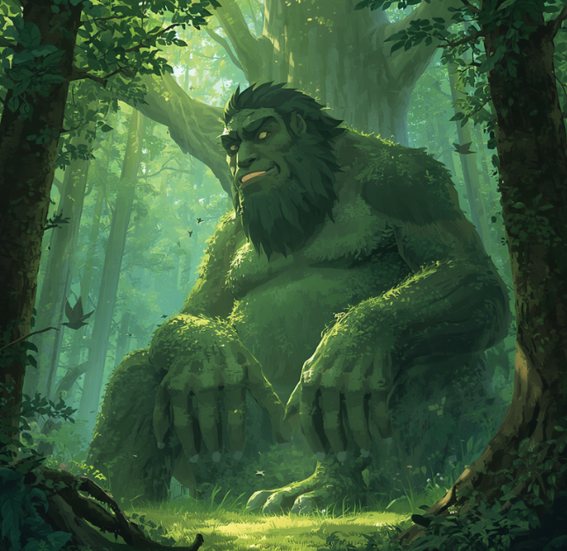
I once watched a Nursery teacher spend the best part of an afternoon convincing her class that a giant had walked through the school grounds overnight and left enormous footprints. She'd painted them herself, at six in the morning, in the drizzle. Committed. Professional. Probably slightly unhinged in the best possible way.
But those children — they touched the footprints. They measured them. They theorised about the giant's diet, his name, whether he was friendly, where he'd gone. By the time they reached any kind of mark-making or writing activity, they were overflowing. The experience had done the work. The writing was just the overflow.
Experience first. Writing second. Always.
Truth Three: Audience Transforms Everything
Here is a question I'd like you to sit with for a moment.
When you last wrote something — truly wrote something, not a text message or an email — who were you writing for?
The answer is someone. Even a diary is written for a future version of yourself. We are social creatures. We write to be heard.
Young children are exactly the same — except they feel this even more acutely, because they haven't yet learned to modulate their need for connection. When a child writes a warning sign and puts it on the giant's footprint to tell other children to be careful, they are communicating to a real audience about a real thing that really happened to them.
That is the full circuit. Adventure creates the experience. Experience creates the words. Words find an audience. The audience responds. The child writes again.
Adventure. Experience. Audience. Repeat.
I am not naive. I know we all work in systems with planning requirements, EYFS frameworks, observation records, phonics programmes, and approximately four hundred and seven other things all competing for our attention before 9am.
I know that 'create a magical adventure in your outdoor area' is easier to say in an article than it is to deliver on a Tuesday morning when three children are absent, the photocopier is broken, and someone has been sick on the dressing-up box.
But I want to gently push back on the idea that adventure is an add-on, a project week, a special event. The best early years practitioners I know build adventure into the bones of their provision. A mysterious object on the discovery table on a Monday morning. A sealed envelope addressed 'To the children of...' A set of tiny footprints leading somewhere unexpected.
These things cost almost nothing. They require imagination, not budget. And they return — in motivation, in language, in writing — a hundredfold.
The Power of the Teacher
Teachers are, in the truest sense, the authors of their children's adventures. They set the scene. They introduce the mystery. They provide the moment of discovery. And then — they get out of the way and let them write the story.
I want to come back to Archie.
Archie — our pencil-averse, tornado-energy, seismograph-writing Archie — went on to write, by the time he left Year 2, with a verve and a confidence that his Reception teacher would have considered nothing short of miraculous. Not because he'd been drilled, not because he'd been given better word banks.
Because Archie had learned, early on, that writing is what adventurers do. They record their quests. They warn others. They tell the story so no-one forgets.
He was not a reluctant writer. He was an adventurer who had, temporarily, run out of adventures.
Our job is to make sure that never happens.
If you'd like an support from our team to support planning of writing in the early years, do get in touch. We'd be happy to help with inspirational ideas, developing pedagogy or strategic support with writing in the early years.
Article by

Richard Kielty
Senior School Improvement Officer
Curriculum and Standards
richard.kielty@northtyneside.gov.uk