
A Sense of Belonging
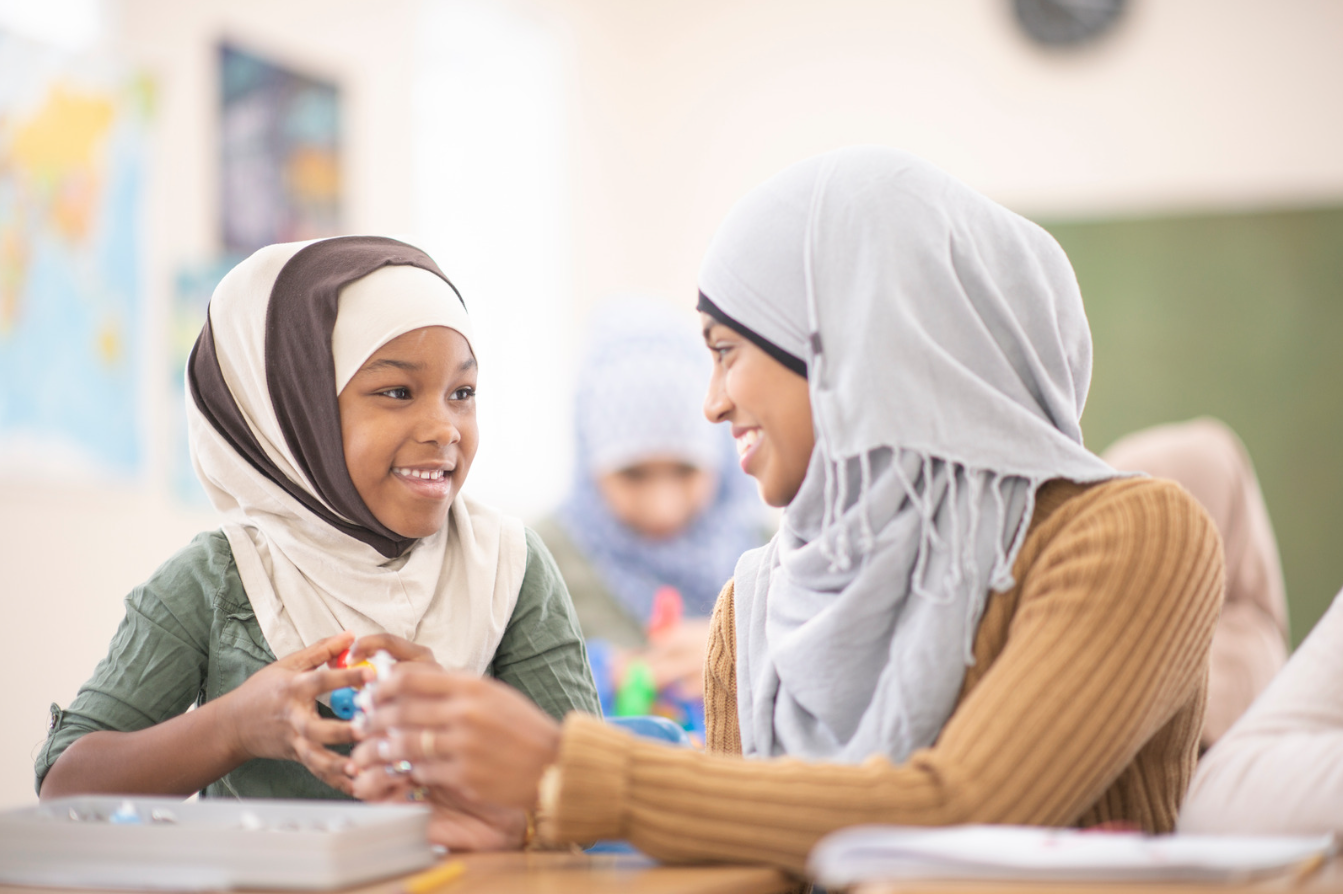
Creating a sense of belonging for EAL (English as an Additional Language) learners is about making sure they feel safe, seen, valued and connected in school, socially, emotionally, culturally, and academically. So what does “belonging” look like for EAL learners in schools?
Seeing their Identity Reflected and Valued
A sense of belonging grows when EAL pupils see their cultures and languages represented. Multilingual displays, inclusive classroom resources and staff taking care to pronounce names correctly all send a powerful message: you matter here. Cultural celebrations can also support this, when they are meaningful and woven naturally into school life rather than treated as one‑off events.
Research shows that when pupils' identities are reflected in school life, it boosts self-esteem and engagement (e.g. Cummins’ work on identity and empowerment).
Building Strong Relationships and Trust
Positive relationships are central to belonging. EAL learners benefit when teachers take time to listen, understand their backgrounds and recognise their strengths. Regular wellbeing check‑ins, trusted adults and peer buddies all help pupils feel supported, especially during periods of transition. Feeling known and understood builds confidence and reduces anxiety.
Accessible, Inclusive Classroom Practice
Belonging is directly tied to whether a child can access learning confidently. When pupils can participate confidently in learning, they feel part of the classroom community. Visual supports, sentence stems, glossaries, model texts, clear routines, collaborative talk and mixed‑ability groupings allow EAL learners to engage meaningfully, even when their English is still developing. The message is clear: “You are a fully valued member of this learning community right now, not after your English improves.”
Affirmation and Use of Home Language
Pupils feel a stronger sense of belonging when their home language is seen as an asset rather than a barrier. In practice this could include:
- Encouraging translanguaging (use of home language to support thinking and learning).
- Allowing bilingual dictionaries, online translation tools, or dual-language notes.
- Connecting with bilingual staff where possible.
- Involving parents and carers using multilingual communication.
Opportunities for Social Belonging
Social inclusion does not always happen automatically. Structured opportunities such as clubs, sports and creative activities help pupils form friendships in low‑pressure environments. For some learners, particularly those with refugee or asylum‑seeking backgrounds, emotionally safe, trauma‑informed practice is essential. Predictable routines, patience and understanding help pupils settle and feel secure.
Working in Partnership with Families
Belonging extends beyond the classroom. When parents and carers feel welcome and able to communicate with school, children benefit. Translated information, interpreter‑supported meetings and culturally sensitive engagement help families become confident partners in their child’s education.
In Summary
For EAL learners, belonging means feeling emotionally and linguistically safe, having their identity and language valued, forming meaningful connections, and being able to access learning with confidence. It is not an initiative or a checklist — it is the inclusive climate a school creates every day.
The Healing Classrooms
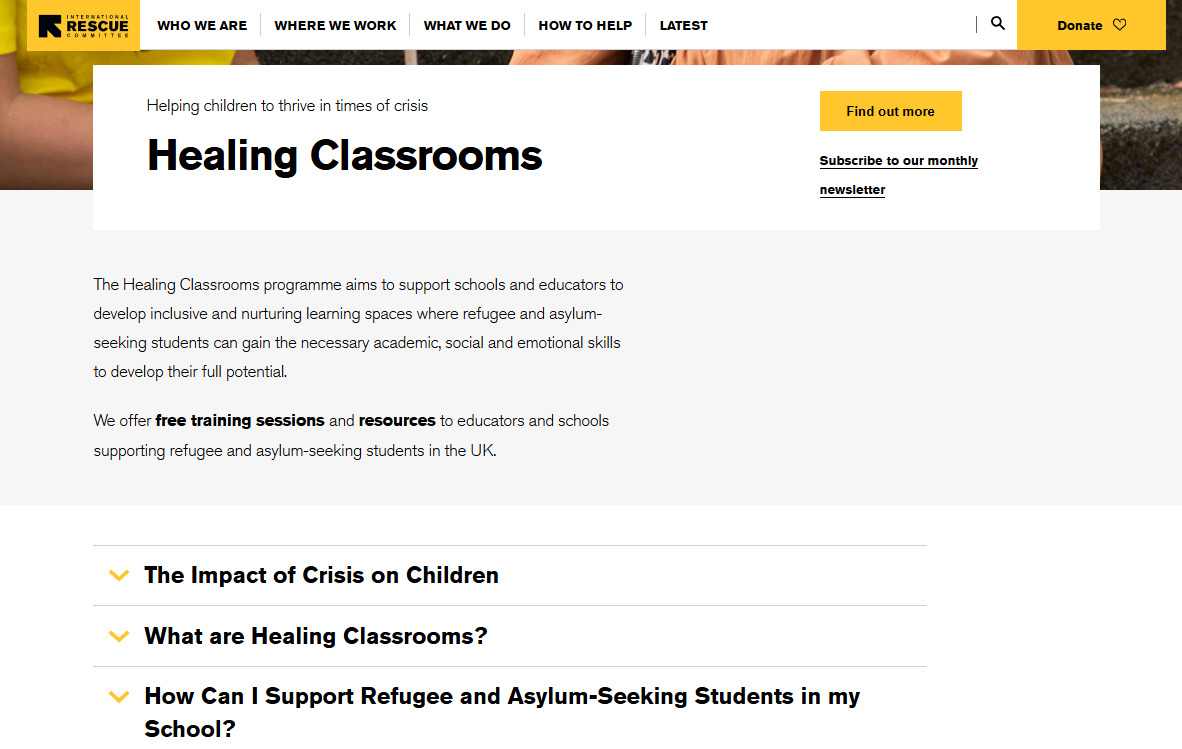
The Healing Classrooms programme from the International Rescue Committee aims to support schools and educators to develop inclusive and nurturing learning spaces where refugee and asylum-seeking students can gain the necessary academic, social, and emotional skills to develop their full potential.
They offer free training sessions and resources to educators and schools supporting refugee and asylum-seeking students in the UK.
How can we support your school?
Our Inclusive Learning and Achievement Service (ILAS) provide a range of training and support for schools and services. Find out more about how they can support your school or setting.
Article by
Diane Embley
Team leader
The Inclusive Learning and Achievement Service (ILAS)
diane.embley@northtyneside.gov.uk