
Eid -ul-Adha: The Festival of Faith, Sacrifice, and Compassion

The morning of Eid ul-Adha arrives quietly, like a soft whisper before dawn. The sky is still painted in shades of blue and silver, and the world seems to hold its breath. Then, slowly, the streets begin to glow with life, children in new clothes, families gathering, hearts full of gratitude, while millions of pilgrims in Makkah complete the sacred journey of Hajj, a journey that mirrors unity and devotion. Their footsteps circle the Kaaba, reminding the world that faith is strongest when people stand together.
Faith is not just believed; it is walked, felt, and lived
Their journey is a reminder that faith is not just believed; it is walked, felt, and lived. As they pray beneath the desert sun, the rest of the Muslims in the world watch with hearts full of longing and admiration.
Eid ul-Adha is not just a festival; it is a memory passed down through centuries. It is the echo of a moment when Prophet Ibrahim stood at the crossroads of love and obedience, heart trembling yet steady. In his dream, he was asked to sacrifice his beloved son, Prophet Ismail. It was a test that could break any parent, yet Prophet Ibrahim chose faith over fear. As Prophet Ibrahim prepared to carry out the command, God replaced Prophet Ismail with a ram, showing that true sacrifice lies not in blood, but in intention, trust, and devotion.
Sacrifices in everyday life
Every year, Muslims around the world gather to honour that moment. But the beauty of Eid ul-Adha is that its meaning stretches far beyond the ritual. It is a reminder that sacrifice is woven into everyday life. Parents sacrifice sleep for their children. Students sacrifice comfort for dreams. Communities sacrifice time and wealth to uplift one another. The festival brings these quiet truths into the light.
As the Eid prayer ends, people embrace, some softly, some with laughter, some with tears. There is a sense of unity that feels rare in the rush of daily life. Neighbours visit one another, sharing food, stories, and warmth. The act of Qurbani, the sacrifice of an animal, is carried out not as a symbol of loss, but as an act of giving. The meat is divided so that no table remains empty, no family feels forgotten.
Celebrations
Children run through courtyards with the kind of joy that only festivals can spark. Kitchens fill with the sizzle of spices, the clinking of pots, and the soft hum of family conversations. The day becomes a tapestry of gratitude, woven with faith, generosity, and togetherness.
But perhaps the most powerful part of Eid- ul-Adha is the quiet reflection it inspires. It asks each person: What are you willing to give up for goodness? For faith? For love? It nudges the heart to let go of pride, selfishness, and grudges. It teaches that real sacrifice is not measured in what we lose, but in what we give to others.
Eid -ul-Adha reminds us that faith is not just a belief; it is a journey. Sacrifice is not just an act; it is a way of living. Also, compassion is not just a virtue; it is a bridge that connects hearts across the world.

How can we support your school?
Our Inclusive Learning and Achievement Service (ILAS) provide a range of training and support for schools and services. Find out more about how they can support your school or setting.
Article by
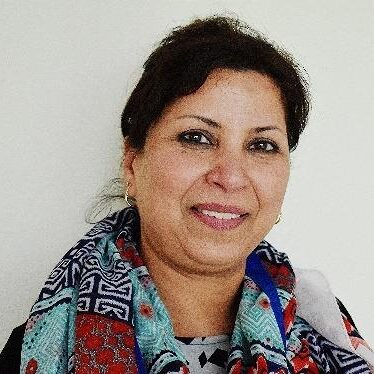
Rashda Salamat
English as an additional language Teacher
The Inclusive Learning and Achievement Service (ILAS)
rashda.salamat@northtyneside.gov.uk