
Humanism Explained: A Guide for Curious Minds

What is Humanism?
Humanism is a way of thinking that focuses on people and not gods or supernatural beliefs.
Humanists believe that we can live good, meaningful and happy lives by using reason, kindness, and science. They think we have one life, so it is important to make the most of it and help others.
Do Humanists worship?
Humanists do not have a special place of worship because they do not follow a god or religion, but they still enjoy meeting together in different places for talks, lectures, and group discussions. Humanists also celebrate important moments in life with special ceremonies, just without religious traditions. These include naming ceremonies for new babies, non-religious weddings where couples celebrate their love, and funerals that focus on remembering a person’s life and the people who cared about them.
What are Humanist beliefs?
- There is no god or supernatural being guiding life.
- People have one life, so they should make the most of it.
- Science and evidence help us understand the world.
- Happiness and well-being come from good relationships and making good choices.
- We should care for the planet and for each other.
- Humanists believe that human beings were not created but evolved naturally.

History of Humanism
Some ideas of Humanism began long ago in ancient Greece. Early Greek thinkers tried to explain the world by using careful thinking and nature, instead of stories, myths, or religion. They believed people could understand the world by using their own minds.
Conclusion
- Reason & Empathy: Using your brain to think and understand how others feel.
- Freedom & Responsibility: The freedom to choose your own path as long as you don't harm others, and the responsibility to help create a fair world.
- Human Potential: Believing in what people can achieve through their own efforts.
In Simple Terms:
Humanism is about being the best human you can be, using your own mind, being kind to others, and working to make life good for everyone right now.
Article by
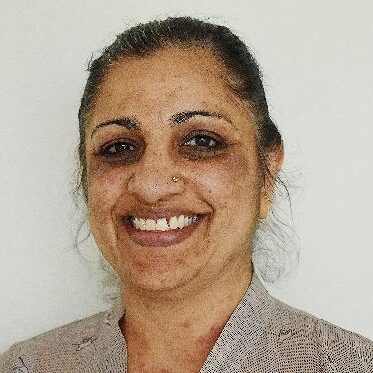
Shallu Duggal
English as an additional language Teacher
The Inclusive Learning and Achievement Service (ILAS)
shallu.duggal@northtyneside.gov.uk