
When Every Child Feels Seen
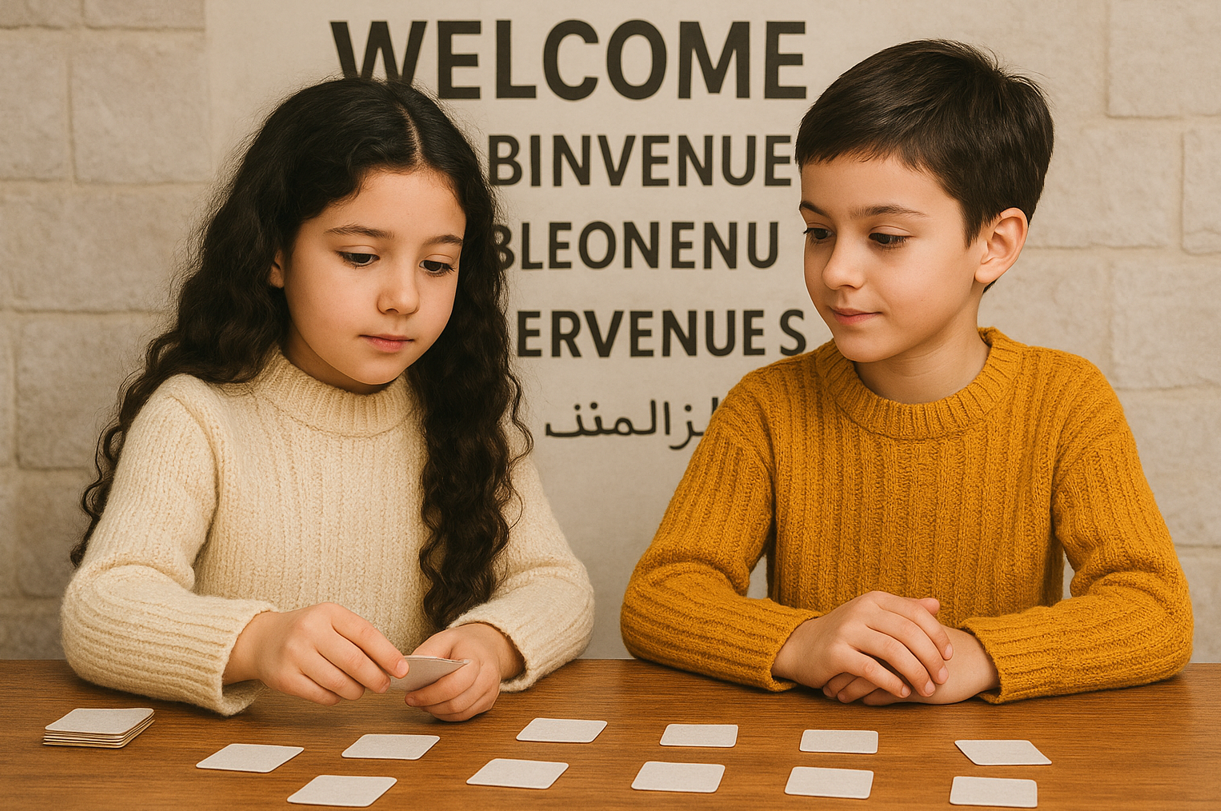
Belonging Begins With What Children See Around Them
Picture a classroom where the books on the shelves, the artwork on the walls, and the stories being told feel familiar. Imagine a classroom where a child can point and say, “That looks like me.” In that moment, something powerful happens. A child feels rooted, feels recognised and feels like they belong.
Now picture that same classroom also opening doors into worlds beyond their own, inviting children to taste new traditions, hear new languages, and see the beauty of lives different from theirs. When children have mirrors to recognise themselves and doors to step into new worlds, their confidence soars and their curiosity comes alive.
Belonging Begins With What Children See Around Them
Representation isn’t a decorative extra. It’s a core ingredient in how children learn who they are and how they understand others. When a classroom reflects only one dominant culture, children can quietly absorb the message that this culture is the “normal” one. This is especially true in settings where most children share similar backgrounds and have limited everyday exposure to diversity.
Children notice differences long before adults expect them to. They see skin tones and hear accents. Children observe who is celebrated and who is missing. They absorb stereotypes from the media, overheard conversations, and the world around them. These early messages shape their sense of identity and their expectations of others.
Responding When Children Reflect Harmful Messages
Adults may observe instances in which children reflect attitudes and assumptions absorbed from their surroundings, even within predominantly white environments. These might include:
- Hurtful language: children repeat from adults, the media, or online games.
- Stereotyped views shaped by charity campaigns or television, such as believing that children from certain countries are always poor or lack clean water.
- Assumptions about a child’s identity or background can show up in everyday decisions, such as placing them on the EAL register based only on their surname or skin colour.
- Exclusion, such as refusing to sit or play with someone because they look different.
- Expressions of discomfort from parents regarding their child forming friendships or engaging closely with children from different cultural or ethnic backgrounds.

These moments matter. Children are always learning from the world around them, and silence can feel like agreement. When adults respond with calm clarity and follow up with gentle questions to understand where the idea came from, they help children unlearn harmful messages and build empathy instead.
A classroom rich in positive, varied representation sends a message that stays with children for life: Everyone belongs. Everyone matters. When children grow up holding that truth, they carry into the world a stronger sense of self and a deeper respect for others. These skills shape not just their learning, but the kind of adults they become.
Rashda Salamat
English as an additional language Teacher
The Inclusive Learning and Achievement Service (ILAS)
rashda.salamat@northtyneside.gov.uk