Posts Tagged ‘inclusive education’
Black History Month UK 2026

Black History Month is more than a celebration of the past; it is an opportunity to recognise the people and places that continue to shape our lives today. Celebrated through October in the UK, the 2026 theme, “Honouring Our Communities,” encourages us to celebrate the individuals whose dedication, resilience and compassion strengthen communities across the…
Read MoreWhy Inclusive Classrooms Matter More Than Ever
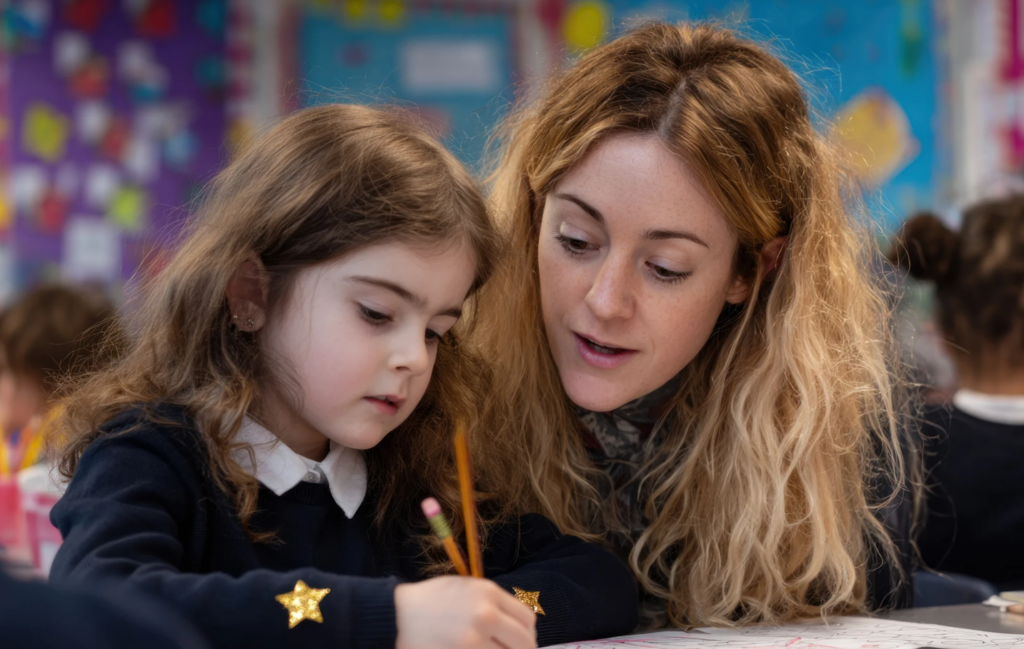
If there’s one thing I’ve learned from working in schools, it’s that inclusion isn’t about having a perfect intervention programme or a folder full of paperwork. It’s about making sure every child feels like they belong, can access learning, and has the opportunity to succeed. With the SEND reform high on the national agenda and…
Read MoreEvery Child Achieving and Thriving: An EAL Teacher’s Perspective on an Invisible Cohort
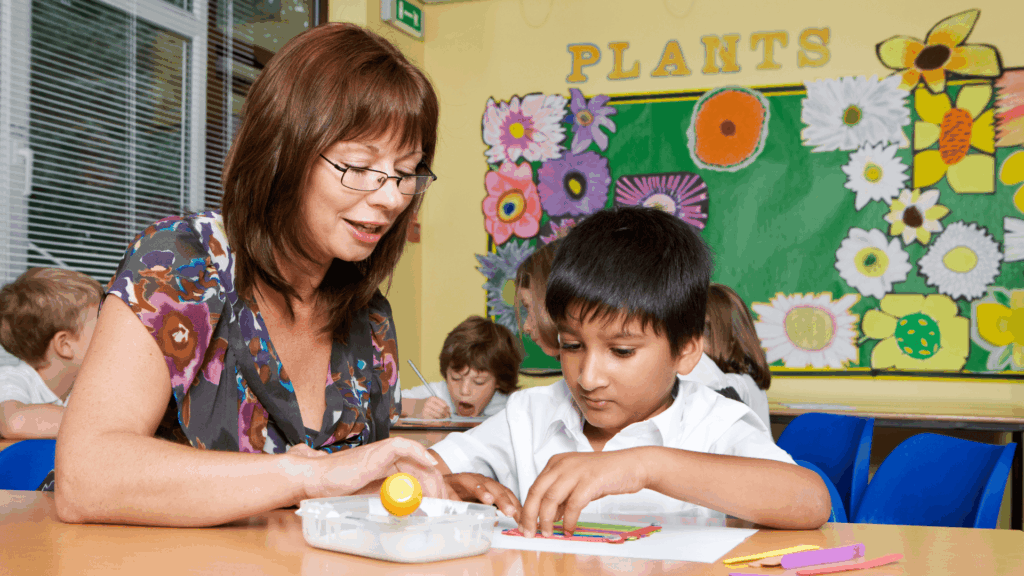
The Every Child Achieving and Thriving white paper positions itself as a bold step toward a more inclusive education system. It promises early identification, consistent national standards, and a commitment to ensuring that no child is “side-lined”. As an English as an Additional Language (EAL) teacher, I welcome this ambition. Inclusion matters. Early intervention matters. High‑quality teaching matters. But…
Read MoreA Sense of Belonging

Creating a sense of belonging for EAL (English as an Additional Language) learners is about making sure they feel safe, seen, valued and connected in school, socially, emotionally, culturally, and academically. So what does “belonging” look like for EAL learners in schools? Seeing their Identity Reflected and Valued A sense of belonging grows when EAL…
Read MoreGrowing Up Autistic: What Children Want Schools to Understand

The Language and Communication Team (LCT), Education North Tyneside’s specialist teaching team supporting language, communication and autism in educational settings, recently reflected on findings from a large UK study involving 136 autistic children aged 8–14. The research explored autistic pupils’ experiences of school, relationships and identity, placing children’s voices firmly at the centre. It highlighted both what helps autistic…
Read MoreTogether We Fly
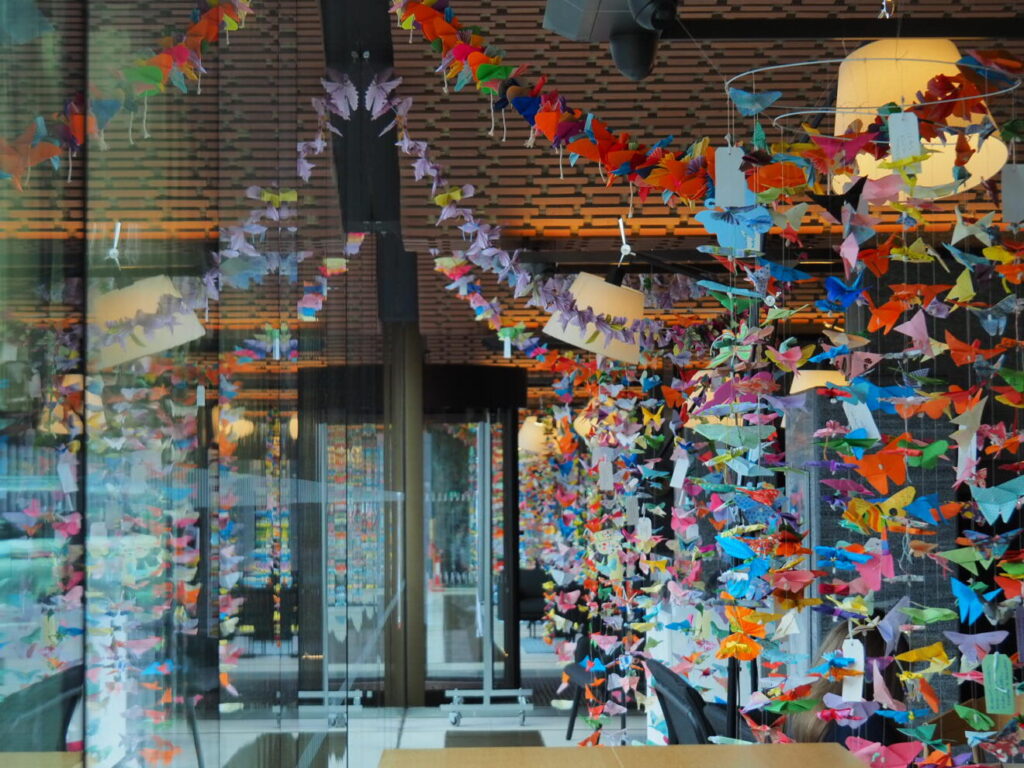
Together We Fly is one of five creative, multilingual projects offered to schools and community groups as part of the Express Yourself: North East Festival of Languages 2026. The project invited children and young people to express themselves in any language, their home languages, languages they are learning, or languages they are curious about, while celebrating culture, friendship and unity. Sharing feelings Participants were…
Read MoreReasonable Adjustments & How They Relate to EAL Learners in School

“Reasonable adjustments” come from the Equality Act 2010, which requires schools to remove barriers so pupils with disabilities (including many SEND profiles) can access learning. EAL status alone is not a disability, so the duty to make reasonable adjustments does not apply because a child is EAL. However, many practices that are good for EAL learners overlap with reasonable adjustments, and…
Read MoreInclusive Maths Classrooms

Inclusive mathematics classrooms are built on the belief that all pupils can succeed in maths when barriers to learning are anticipated and removed from the outset. Rather than relying on individual interventions as the first response, the most effective inclusion strategy is high quality, inclusive everyday teaching that benefits everyone – especially pupils who find learning hardest. Our Inclusive Maths Classrooms…
Read MoreAdaptive teaching: same lesson, different learners

Adaptive teaching is no longer a ‘nice to have’: it is essential for schools striving to meet the diverse needs of learners in today’s classrooms. The recently published Ofsted tool kits, have inclusion as a golden thread running through aspects of school life. With increasing recognition of the importance of inclusion, differentiation, and responsive pedagogy, teachers…
Read MoreThe New Writing Framework and EAL learners

A Fresh Start for Teaching Writing Writing remains one of the most complex skills to both teach and learn. Recognising this, the Department for Education (DfE) has introduced a new Writing Framework (July 2025) designed to raise writing standards in primary schools. The framework focuses on explicit teaching, oral rehearsal, and writing with purpose across…
Read More