
Why Inclusive Classrooms Matter More Than Ever
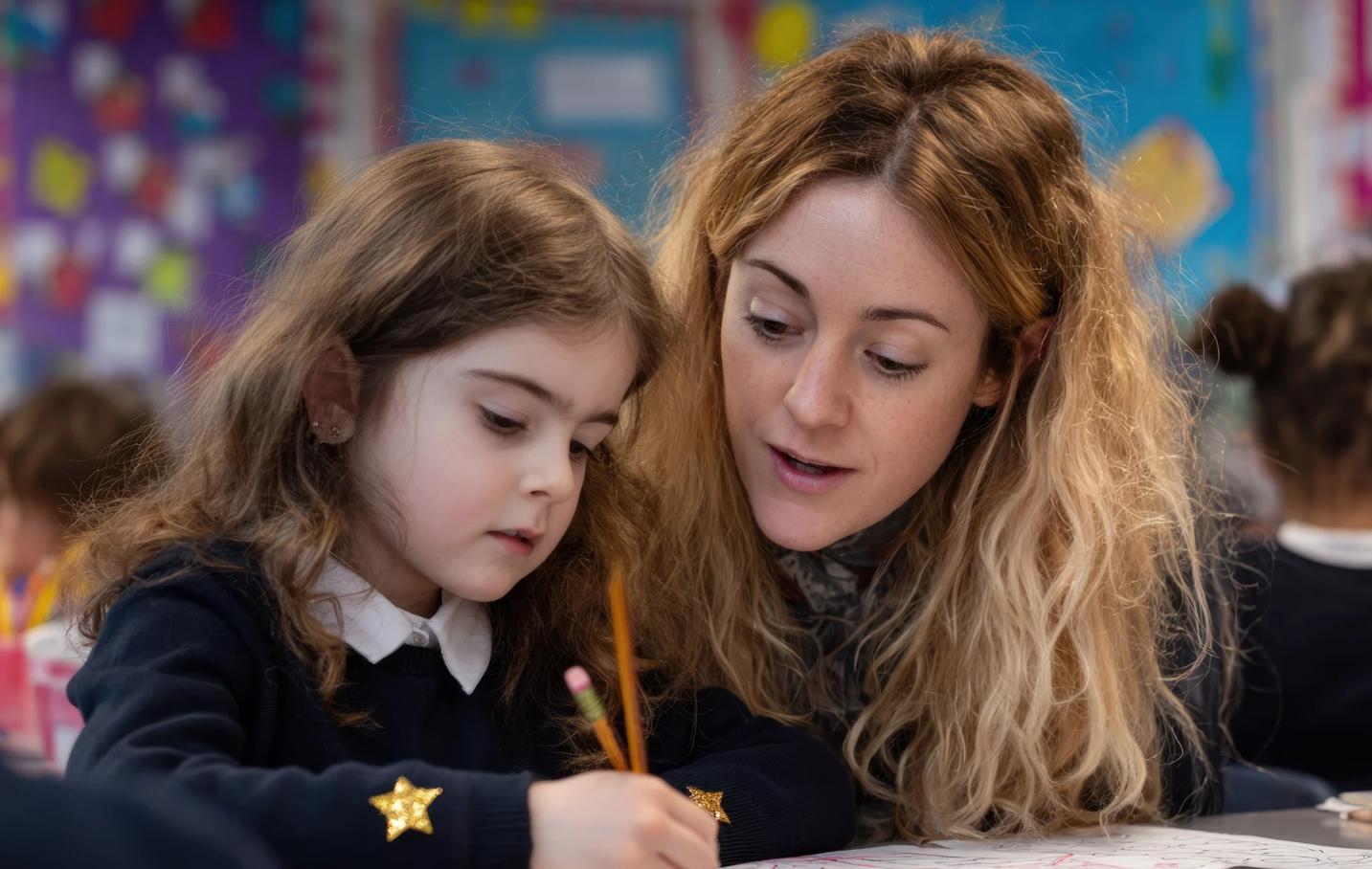
If there’s one thing I’ve learned from working in schools, it’s that inclusion isn’t about having a perfect intervention programme or a folder full of paperwork. It’s about making sure every child feels like they belong, can access learning, and has the opportunity to succeed.
With the SEND reform high on the national agenda and Ofsted placing a much stronger focus on inclusion, there has never been a better time for schools to think about what inclusive practice really looks like in the classroom. The good news is that inclusion doesn't have to mean doing something completely different. Often, it's about making small changes that have a big impact.
Inclusion isn’t just SEND
When people hear the word "inclusion", they often think about pupils with special educational needs and disabilities (SEND). Of course, SEND is a huge part of inclusion, but it's much broader than that.
An inclusive classroom is one where every pupil feels welcomed, valued and supported. That includes children with SEND, pupils who are disadvantaged, young carers, pupils learning English as an additional language, and anyone who may face barriers to learning.
The SEND Code of Practice and the Equality Act 2010 make it clear that schools have a responsibility to identify needs early, remove barriers and make reasonable adjustments where needed. But inclusion is about much more than meeting legal requirements. It's about giving every child the best chance to thrive.

The end of "top, middle and bottom"
Most of us can remember classrooms where pupils were grouped by perceived ability. Thankfully, practice has moved on.
Today's classrooms are far more likely to recognise that pupils learn in different ways and at different rates. A child may excel in maths but struggle with writing. Another may need support with social communication but have exceptional problem-solving skills.
The focus should be on understanding individual needs rather than placing learners into rigid categories.
Make learning engaging
Children learn best when they're actively involved.
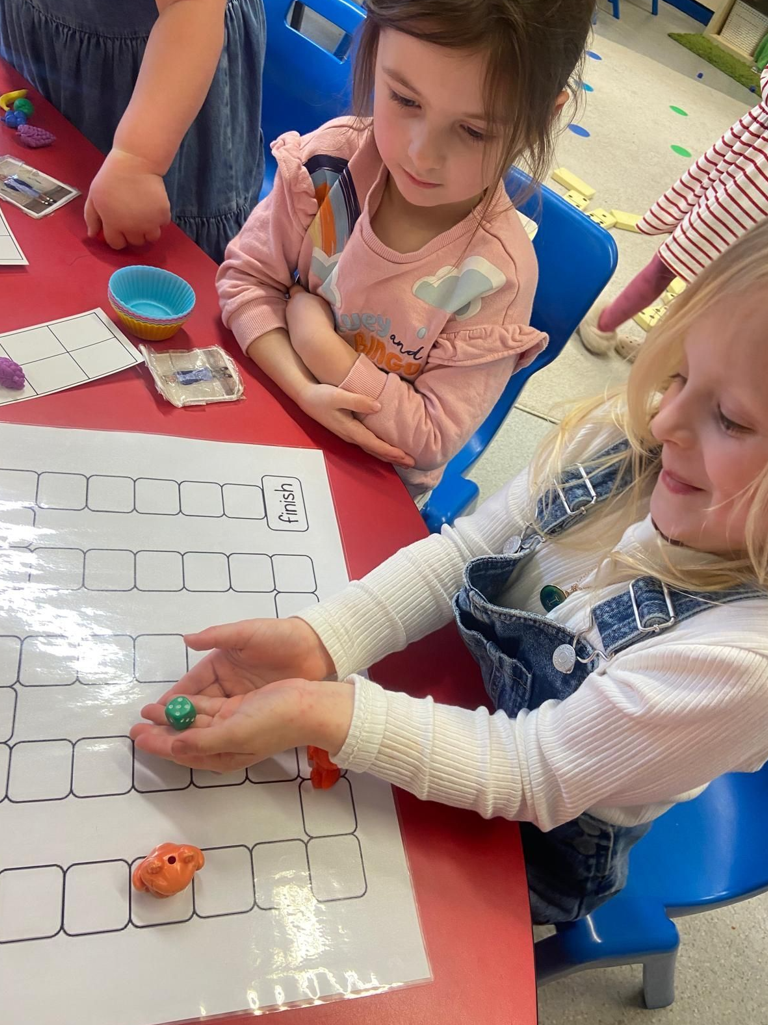
Practical activities, discussion, problem-solving tasks, role play, investigations and collaborative learning all help pupils engage with new concepts. They also provide multiple ways for children to demonstrate what they know.
Not every learner will thrive from listening to a lengthy explanation and completing a worksheet. Offering variety benefits everyone.
Create predictable structures and routines
Many pupils, particularly those with autism, anxiety or difficulties with executive functioning, benefit from consistency.
Simple strategies can make a huge difference:
- Visual timetables
- Clear routines
- Consistent classroom language
- Chunking tasks into manageable steps
- Explicit instructions
When pupils know what to expect, they can focus more energy on learning rather than worrying about what's coming next.
Think carefully about the learning environment
There is no such thing as a "perfect" classroom layout.
Some children need to sit near the teacher. Others work best away from distractions. Some need movement breaks to regulate and maintain concentration.
Inclusive classrooms recognise these differences and build flexibility into everyday practice rather than treating adjustments as exceptions.
Adapt access, not ambition
One of the biggest misconceptions about inclusion is that it means lowering expectations. It doesn't. Inclusive teaching means maintaining high expectations while providing different ways for pupils to access learning.
This might include:
- Visual supports
- Simplified instructions
- Assistive technology
- Audiobooks
- Alternative ways of recording work
- Additional processing time
The learning goal remains the same. The route to success may simply look different.

Why belonging matters
Inclusion isn't just about curriculum access. It's also about relationships.
Children learn best when they feel safe, accepted and valued. That means creating classrooms where differences are respected and celebrated.
Something as simple as:
- Listening to pupil voice
- Including diverse role models in the curriculum
- Using respectful language
- Celebrating different strengths
can have a lasting impact on a child's sense of belonging.
As SENDCos and teachers, we often hear pupils tell us exactly what helps them when we take the time to ask. Their voice should always be at the centre of decision-making.
What do the upcoming SEND reforms mean?
The government's current SEND reform proposals place a strong emphasis on earlier support, stronger inclusion in mainstream schools, and improving consistency across the system. A key theme running through the proposals is that children should receive help when needs are identified, rather than waiting until difficulties escalate. The reforms also highlight the importance of inclusive mainstream practice and improved collaboration between education, health and care services.
For schools, this reinforces a message many inclusion leaders have been promoting for years: high-quality teaching and inclusive practice should be the foundation of SEND support.
Inclusion and the New Ofsted Framework
The biggest shift many school leaders are noticing is the increased focus on inclusion within Ofsted inspections.
Under Ofsted's renewed inspection approach, inclusion is no longer something inspectors only consider through a SEND lens. It has become a significant area of evaluation in its own right, with inspectors looking closely at how schools identify and remove barriers to learning, particularly for pupils with SEND and other vulnerable groups.
Inspectors are expected to look at:
- How needs are identified and supported
- The experiences of pupils with SEND
- Access to the curriculum
- Attendance and engagement
- Pupil wellbeing and belonging
- The impact of inclusion in everyday classroom practice
Importantly, schools are increasingly being asked to demonstrate inclusion through what happens in classrooms, not through paperwork.
Inclusion starts with us
The most inclusive classrooms aren't necessarily the ones with the biggest budgets or the most interventions. They're usually the classrooms where staff know their pupils well, build positive relationships, adapt thoughtfully and maintain high expectations for everyone.
As education continues to evolve through the SEND reform and changing inspection expectations, inclusion should never be seen as an additional responsibility. It is simply good teaching. When we remove barriers, listen to our pupils and design learning with everyone in mind, we create classrooms where every child has the chance to succeed.
And that's something worth striving for.
References
- SEND Code of Practice (2015): Link
- Equality Act 2010: Link
- SEND reform: putting children and young people first: Link
- pens in new tab)Inspection framework - Link
How can we support your school?
Our School Support Team works with schools to develop early intervention strategies for pupils to prevent exclusion and develop inclusive practice. Get in touch if we can support you.
Article by